

$429.00

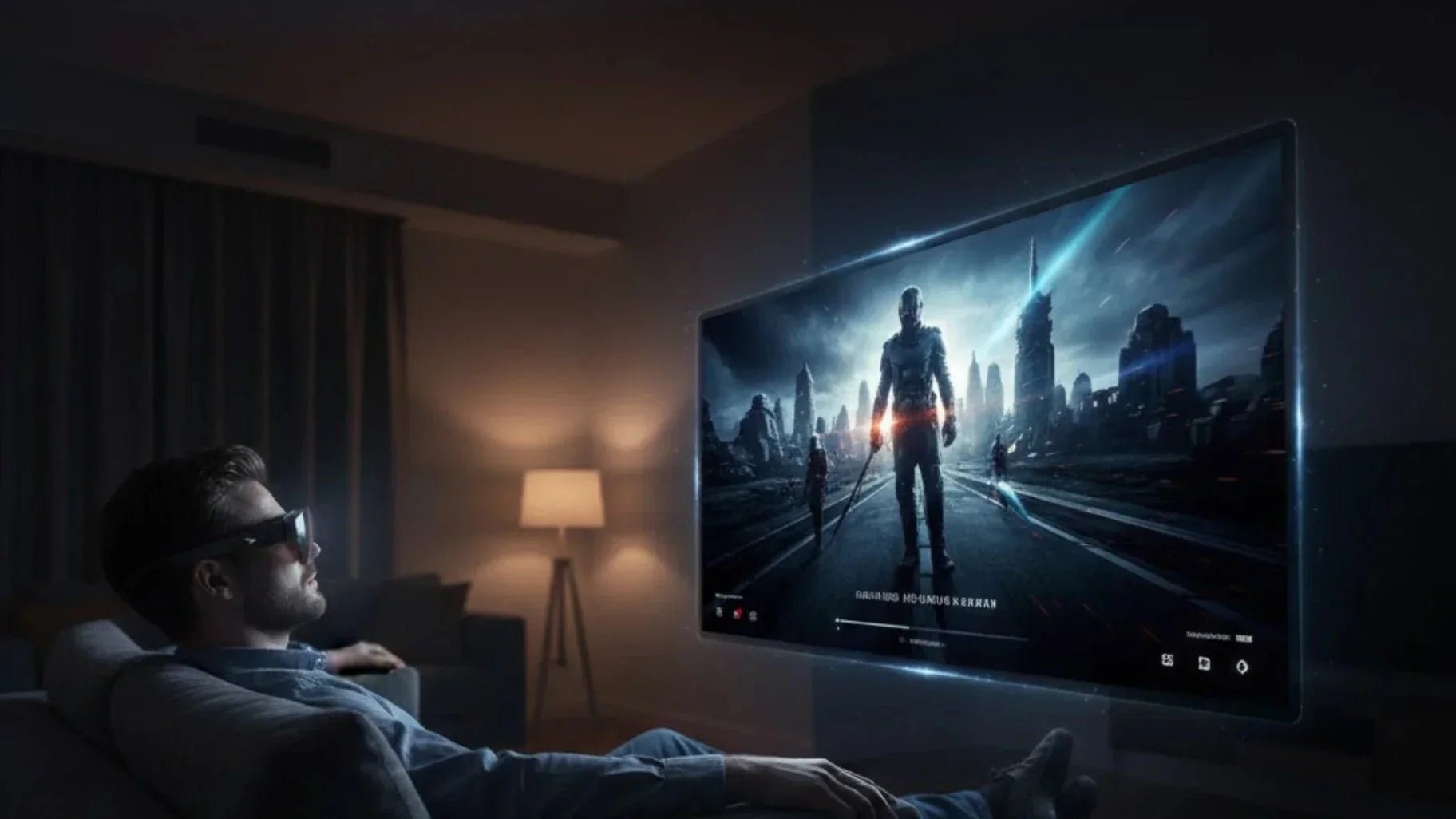
In the broad category of 3D film glasses, we usually encounter four main technical routes: passive polarized 3D, active shutter 3D, color-based anaglyph 3D, and theater-grade systems like Dolby 3D and IMAX 3D. Traditional 3D glasses rely heavily on the display hardware, such as projectors, TVs, or screen surface treatments. In recent years, smart glasses with AR capabilities have started taking over 3D video and gaming scenarios. These devices use higher brightness and refresh rates to improve immersion.
However, we often face questions about how different 3D glasses create a sense of depth and which screens they are compatible with. Another concern is the specific use case: whether you are watching 3D movies at home, gaming, or visiting a cinema or theme park. In this article, we will systematically break down the principles and classifications of 3D glasses. We will also combine our testing experience in the smart glasses and AR fields to help you make a more rational choice.
Understanding the basic difference between these technologies requires looking at the optical engine. They represent two separate stages of visual evolution. 3D movie glasses are essentially light filters. They trick the brain into seeing depth by blocking specific light waves. This is known as stereoscopic display. AR glasses are complete micro-computer systems. They do not rely on external projections. Instead, internal micro-displays project digital light directly onto the retina. This builds interactive digital layers within real space.
Passive viewing is the core of the 3D movie experience. Whether they use cheap polarized lenses or expensive active shutters, their only job is to filter external light. In a theater, polarized systems split overlapping images for each eye using different light vibrations. While this is affordable and lightweight, it keeps the user in a fixed seat. You cannot interact with the content in any meaningful way.
AR glasses like the RayNeo Air 4 Pro AR glasses use an active display mechanism. Internal Micro OLED screens produce high-definition images independently. This architecture removes the need for an external screen and provides a foundation for interaction. When wearing AR glasses, you face a visual space that adjusts in real time as you move your head. This shift from passive receiving to active construction turns a simple accessory into a smart platform.
3D movie glasses are tied to pre-rendered video. The director controls the focus, depth, and perspective. Viewers simply follow a preset path. This model faces challenges in home environments. Since the 3D TV market has faded, users often lack the hardware to play 3D resources. This closed technical path does not fit modern needs for digital work or social interaction.

AR glasses use optical combiners to overlay digital content onto the real world. The RayNeo X3 Pro uses nano-imprint diffraction waveguide technology. This allows digital info to float in the environment with high transparency.
Key Applications of AR Overlay:
Cooking: Overlays recipes directly onto your workspace.
Maintenance: Displays 3D diagrams during equipment repair.
Navigation: Projects precise arrows onto the street surface as you walk.
The real world is no longer hidden. It becomes the foundation for digital information. This type of panoramic enhancement is something traditional 3D glasses cannot achieve.
3D movie glasses follow a cinema-centric design. They are built for short-term wear in dark rooms. Because the lenses must contain polarizing films or shutter layers, they block a significant amount of light. Users often see images that are over 50% dimmer than the original source. This hurts color saturation and detail, especially in bright home environments.
3D movie glasses offer a one-way experience. Light travels from the screen to the eye, and the information flow ends there. If you turn your head, the 3D effect often ghosts or disappears because you moved off the polarization axis. This limits how humans connect with digital data.
Two-way interaction is the soul of AR glasses. The RayNeo X3 Pro features a multi-modal AI system integrated with the latest Google Gemini models. It uses cameras to sense the environment and understand user intent.
Interactive Features:
Visual Intelligence: Ask the glasses questions about objects they see.
Spatial Control: Use a temple-mounted touchpad for precise 3D operations.
Stability: 6DoF tracking and spatial positioning keep digital objects fixed in place even as you move around the room.
This interaction logic upgrades the device from a simple display into a smart companion that can see, hear, and think.
In daily life, performance determines how often a device is actually used. 3D glasses offer immersion in dark theaters, but AR glasses provide superior adaptability and multitasking in complex environments.
For film fans, brightness loss is a major issue with 3D glasses. Active shutter glasses work by rapidly blocking each eye. This makes the image dim and often causes eye strain or migraines. Also, getting a good 3D effect at home usually requires expensive projectors and special silver screens. Without them, users deal with heavy ghosting and color shifts.
The RayNeo Air 4 Pro offers a generational leap in viewing performance. It uses Micro OLED technology to provide a 200,000:1 contrast ratio and supports HDR10. It simulates a 201-inch giant screen that stays bright and vivid regardless of ambient light. Whether you are in a bright living room or a sunlit office, the image remains consistent. The built-in Vision 4000 chip can even convert 2D video into 3D in real time. This allows old 3D movie resources to find new life in the AR era. (Currently not supported for non-Android systems)
3D glasses have no value in public spaces, while AR glasses excel. Checking a phone for navigation in an unfamiliar city is slow and risky. The RayNeo X3 Pro features a peak brightness of 6,000 nits. This ensures that navigation arrows and path prompts stay clear even in direct sunlight. Users can keep their heads up while getting directions. This hands-free mode changes how people travel.
AR glasses also provide information in real time. The X3 Pro uses an HD camera and a high-performance translation engine to support 14 languages. In business meetings or at a restaurant abroad, translations appear like subtitles directly over real-world objects. This utility in open environments far exceeds any traditional audio-visual device.
3D movie glasses are only useful for the duration of a film. Once the movie ends, they become a burden. Industry data shows that most home 3D glasses end up in storage because they are used so rarely. This low frequency of use makes them less competitive in the modern electronics market.
AR glasses aim to be the next general computing platform after the smartphone. IDC data shows that global XR shipments grew by 44.4% in 2025. This growth is driven by lightweight glasses that fit into daily life. The RayNeo X3 Pro supports entertainment and integrates social apps like TikTok, Instagram, and WhatsApp. It handles tasks throughout the day:
Morning: Schedule reminders and weather updates.
Work: Virtual multi-screen collaboration.
Evening: Big-screen gaming and immersive movies.
Wearable devices must be comfortable to succeed. Traditional 3D shutter glasses are bulky because of internal batteries and circuits. They often press hard on the nose and leave marks behind the ears. They also cause dizziness due to vergence-accommodation conflict, where the brain's perceived depth does not match the eyes' focal distance.
RayNeo invests heavily in long-term comfort. The Air 4 Pro features nine-way adjustable temples and three-way nose pads to fit various face shapes. To prevent eye fatigue, it uses 3,840Hz high-frequency PWM dimming. This is well beyond the range of human perception, protecting your vision from flickering. These physical and digital optimizations allow users to watch movies for hours, even on long flights, without discomfort.
Choosing the right glasses depends on how you define your digital life. If you are a traditionalist who loves the classic theater experience, you might stick with polarized lenses. However, if you want to push your digital boundaries, AR glasses are the essential choice.
The disappearance of 3D TVs is a major disappointment for home theater fans with large 3D Blu-ray collections. However, AR glasses have become a better alternative than traditional projectors. The RayNeo Air 4 Pro offers a 201-inch virtual screen. This matches a small private theater in size and beats most commercial projectors in image quality.
Since AR glasses are for personal wear, they create a private audio-visual space. This unique edge often shapes the decisions of users buying tv glasses for immersive viewing, especially apartment dwellers who cannot set up large speaker systems. The RayNeo Air 4 Pro features an audio system tuned by Bang & Olufsen. It simulates a cinematic surround sound field. It also includes Whisper Mode, which directs sound only to the wearer. This allows fans to enjoy their own movie premieres without disturbing others.

Key Home Theater Features:
Screen Size: Equivalent to a 201-inch giant screen.
Audio Quality: Cinematic surround sound co-tuned with Bang & Olufsen.
Privacy: Whisper Mode prevents sound leakage to others in the room.
Gaming requires high refresh rates and low latency. Traditional 3D TVs often suffer from input lag when 3D mode is active. This is a dealbreaker for competitive play. Additionally, 3D shutter glasses cut brightness in half, causing shadow details to disappear.
The RayNeo Air 4 Pro provides a smooth experience with a 120Hz refresh rate and a fast Micro OLED screen. Whether you connect to a PlayStation 5 or a handheld like the Steam Deck, the glasses expand a small physical screen into a massive stage. For HDR games, the Air 4 Pro accurately reproduces dynamic lighting. This gives players a high level of presence in virtual worlds.
3D glasses have no productivity value. AR glasses, however, are redefining computer monitors. Software engineers and data analysts often need more than one laptop screen. AR glasses can project multiple virtual displays in the air. Users can switch between code and documents just by turning their heads.
The RayNeo X3 Pro goes further as an AI-powered wearable. It includes an AI assistant that extracts key info from meetings and supports real-time multilingual notes. This turns any cafe or airport lounge into a high-efficiency personal studio.
Productivity Benefits:
Virtual Workspace: Multiple floating monitors for better multitasking.
AI Integration: Real-time meeting summaries and task management.
Portability: A full workstation that fits in a glasses case.

Travelers need a smart guide that responds to the environment. 3D movie glasses cannot be used outdoors because they block light and distort distance. AR glasses use transparent optics. This lets users see the road while viewing digital directions. The RayNeo X3 Pro excels in travel. Its built-in AR navigation uses real-world overlays. This reduces the risk of getting lost in new cities.
Language barriers are another major travel pain point. The translation feature on the RayNeo X3 Pro supports both voice and photo translation. It can instantly translate handwritten signs or complex menus. This keeps the translation in your line of sight. You no longer have to fumble with translation apps, making the travel experience more natural.
As single-function visual accessories, 3D movie glasses struggle to keep up in today's highly integrated digital world. AR glasses have successfully opened a new era of spatial computing. They achieve this by integrating advanced optical engines with multi-modal AI.
The RayNeo Air 4 Pro features excellent Micro OLED displays and HDR10 capabilities. It has become the mobile giant screen that movie enthusiasts and gamers dream of. Meanwhile, the RayNeo X3 Pro provides comprehensive smart support for professionals and global travelers. It relies on its powerful independent computing and intelligent AI assistant.
Digital content boundaries are constantly expanding. Choosing AR glasses like RayNeo, which perfectly balance comfort and smart interaction, is your best ticket to the future of digital living.





Share:
What Does HCI Mean in Technology? A Beginner’s Guide to Human-Computer Interaction
Top 10 College Graduation Gift Ideas for Techies in 2026