

$429.00

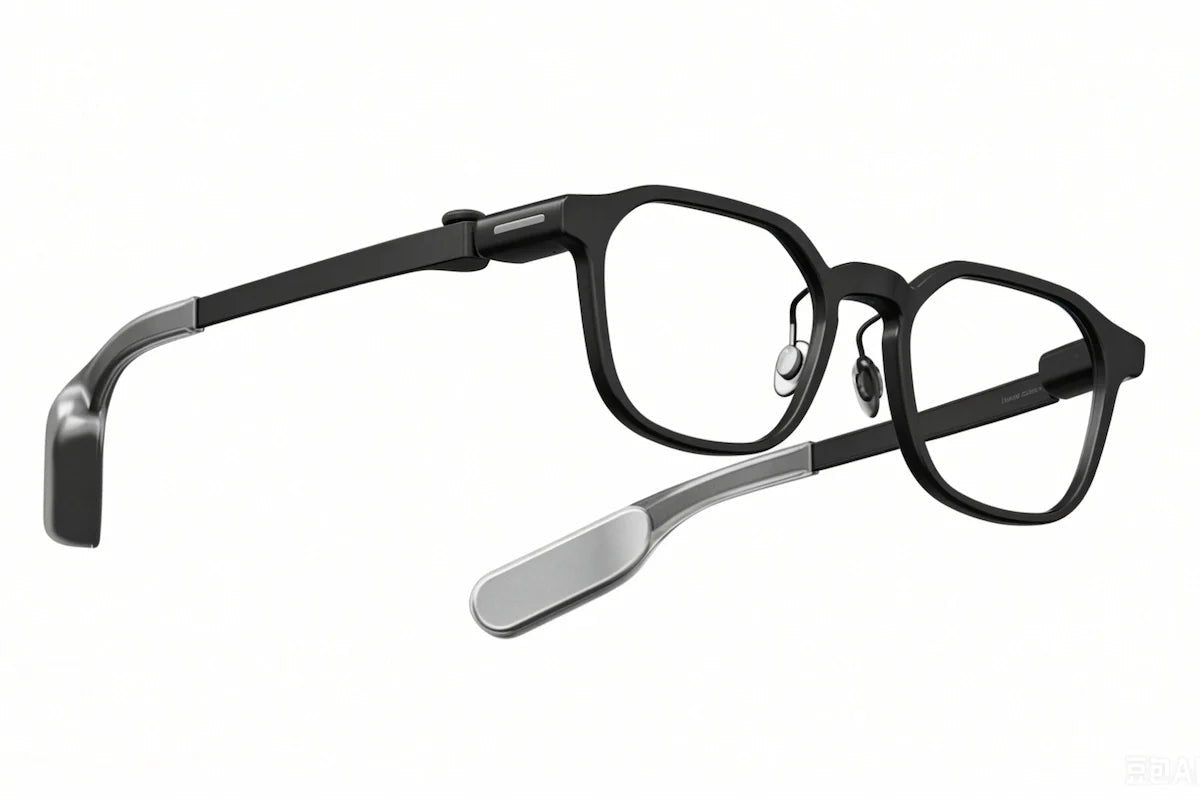
The landscape of wearable technology has shifted dramatically this year. Instead of bulky headsets, the focus has moved toward sleek, lightweight glasses that integrate digital content directly into your field of view.
If you are evaluating the best options for your specific needs, the choices can be overwhelming. This guide breaks down how our current RayNeo lineup stands out this year, focusing entirely on which of our models best fits your daily routine.
Some models prioritize massive virtual screens for gaming, while others focus on AI integration and camera capabilities for productivity. Here is a look at why these specific models made our top recommendations for 2026.
| Feature | RayNeo GT Max | RayNeo GT | RayNeo X3 Pro |
|---|---|---|---|
| Price | $399 | $299 | $1,299 |
| Weight | 78g | 68g | 76g |
| Power Source | Connected Device | Connected Device | Built-in Battery (245mAh) |
| Display | Micro-OLED (59° FOV) | Micro-OLED (46° FOV) | MicroLED (30° FOV) |
| Camera | No | No | Yes (12MP) |
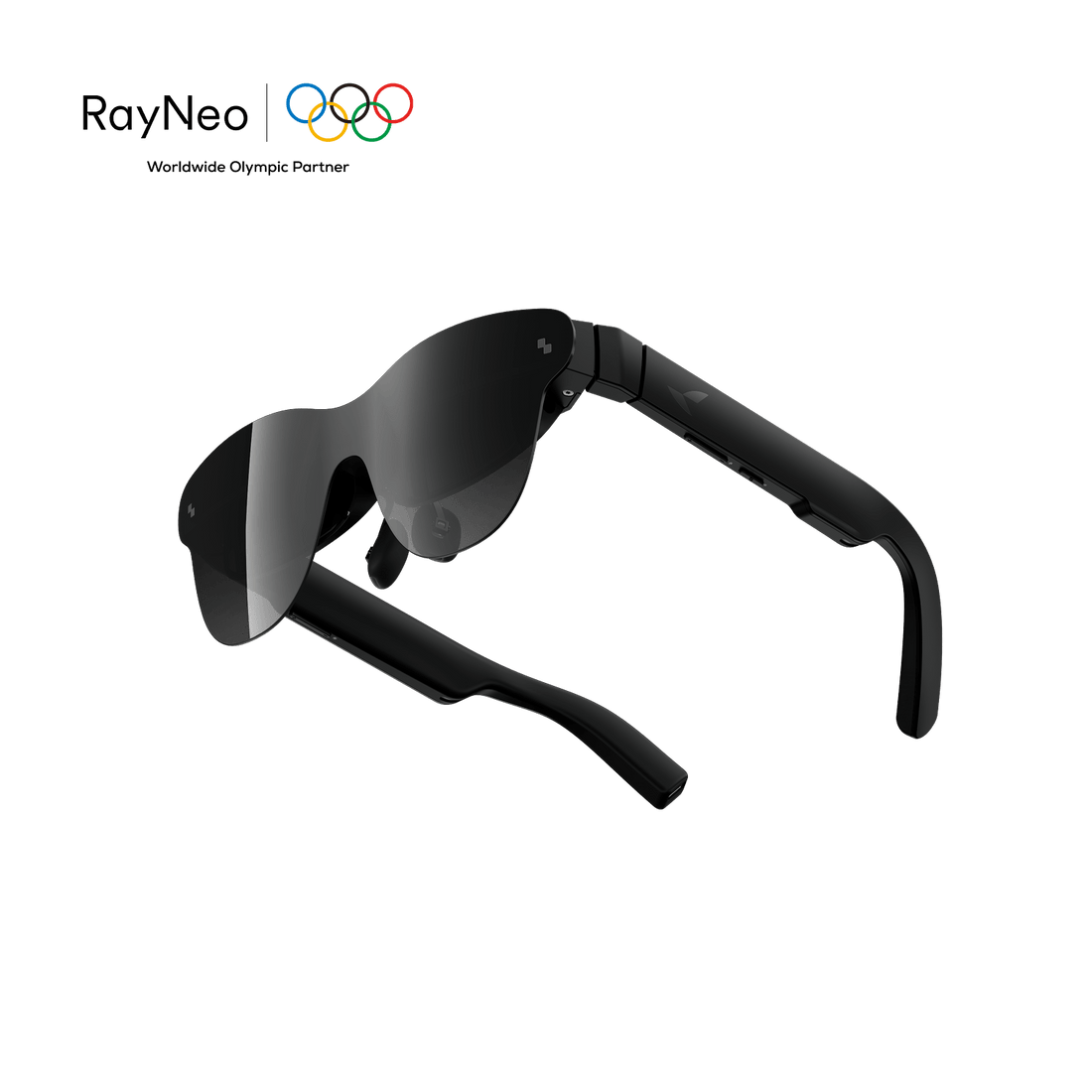
The RayNeo GT Max takes our top spot this year for users who want a massive, high-fidelity virtual display. Available for $399, it projects a default 267-inch private virtual screen directly in front of you. This makes it an exceptional upgrade for frequent travelers wanting a theater experience on the go.
We built this flagship model with three interpupillary distance sizes to choose from at purchase (Small, Medium, Large). This ensures that users with different eye spacing can achieve a clear, distortion-free image without experiencing eye strain during long movie marathons.
Visual quality is a major reason this model stands out. The GT Max features a 120Hz refresh rate in 2D mode and reaches up to 1200 nits of brightness in its non-Pinned mode, while the Pinned mode offers a comfortable 336 nits. In practical terms, this means fast-paced gaming action stays smooth and the display remains highly visible even in brightly lit rooms.
By drawing power directly from your connected phone or laptop, the GT Max maintains a lightweight 78g profile without needing its own battery. Keep in mind that this streamlined design means the glasses will utilize your host device's power during extended viewing sessions.

If the flagship model feels like more than you need, the RayNeo GT earns its place as our streamlined, ultra-lightweight recommendation for $299. It brings the weight down to just 68 grams, making it the lightest option in our GT series for users who prioritize extended wear comfort.
Instead of an adjustable mechanism, it uses a fixed 64mm IPD design that relies on the nose pads for alignment. This approach keeps the glasses incredibly light and simple. Users who need precise visual customization often step up to the GT Max, but the GT remains a highly capable alternative.
The virtual screen defaults to a slightly smaller 201-inch size. Because the screen size is smaller but uses the same resolution as the Max, the pixel density increases to 49 pixels per degree. This results in exceptionally crisp text and fine details for reading or gaming.
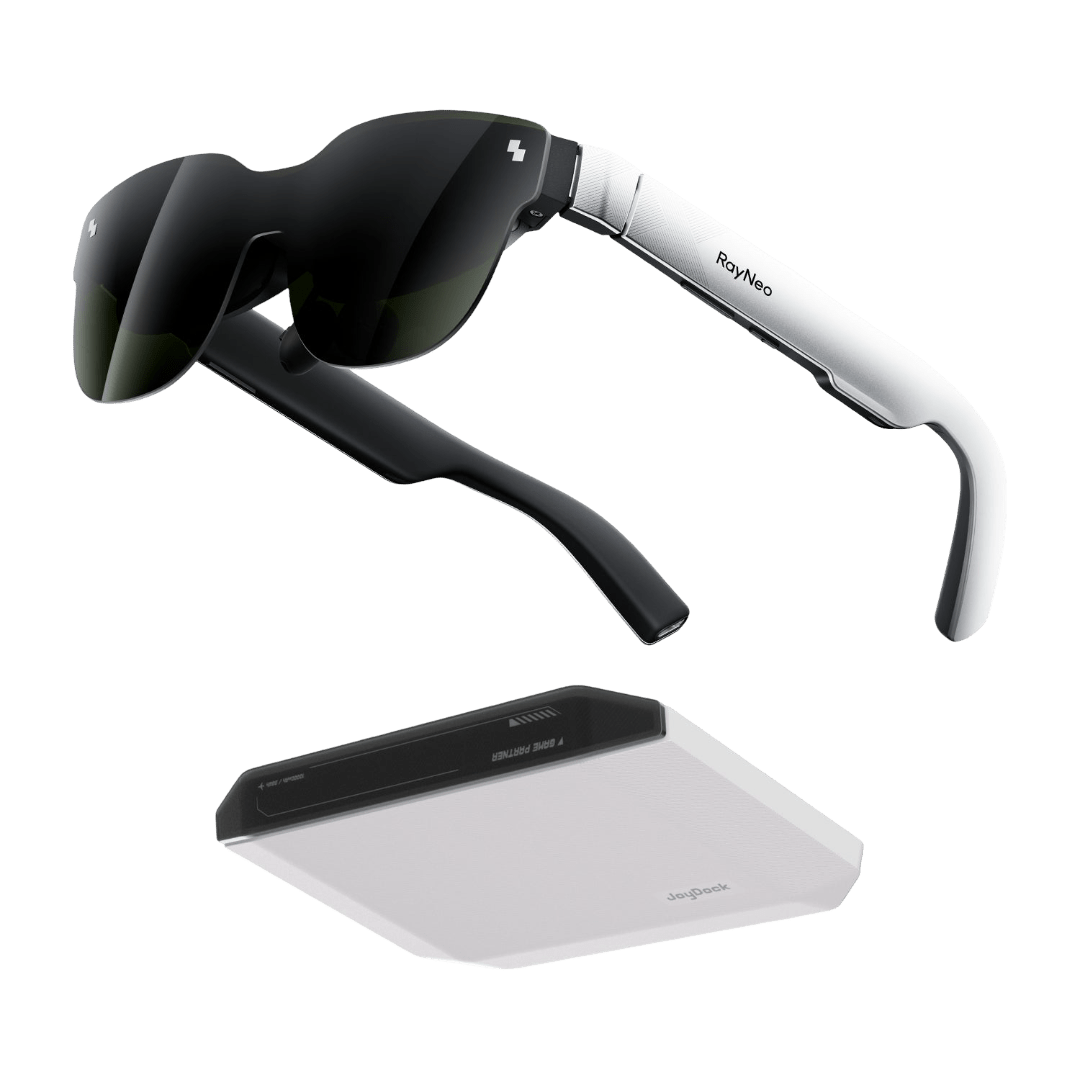
Like the Max, it relies on your host device for power, which will drain your phone or console's battery over time. It remains a top choice for gamers on the go, especially when pairing a Nintendo Switch using our optional JoyDock ($89, plus required back clip accessories depending on your console generation).

The RayNeo X3 Pro stands out in our 2026 lineup by focusing entirely on everyday AI assistance and hands-free productivity. Priced at $1,299, it is the only model we currently offer equipped with a built-in camera.
The front frame houses a 12-megapixel Sony camera capable of capturing high-quality video and photos from a first-person perspective. You will notice a small LED near the camera that lights up during recording, letting others know the camera is active.
Rather than a massive virtual screen, the X3 Pro uses a MicroLED display with a 30-degree field of view to show navigation features and live translations without blocking your vision. It is powered by the Snapdragon AR1 Gen 1 chip and features integrated Google Gemini AI to assist with daily tasks.
Because it powers an onboard camera and AI processing, this advanced hardware operates on a dedicated 245mAh internal battery. This gives you complete freedom of movement and means the glasses will not drain your phone's battery during use.

While the GT and GT Max connect directly to many modern devices, adding a RayNeo Pocket TV Pro ($199) is highly recommended for your 2026 shopping list. This companion device runs Google TV and provides access to thousands of streaming applications without draining your phone's battery.
With this setup, we position the GT series as the World's First Dolby Vision AR Glasses System, provided you are watching compatible content. The Pocket TV Pro also features a 6500mAh battery that allows for hours of continuous viewing.
For users who want to watch 3D content, the GT series supports native 3D. We also offer AI-powered 2D-to-3D conversion when connected to an iPhone 15, 16, or 17 series device. We do not currently offer a confirmed adapter for the iPhone 16e, 17e, or Air models, as these do not support direct video output.
Which accessories make these top-ranked glasses better for console gaming? If you want to use the GT or GT Max with HDMI-based consoles like a PS5, Xbox, or PC, you cannot plug the USB-C cable straight in. Adding the RayNeo HDMI Adapter ($64) to your setup bridges this connection and supplies power to the glasses, making it a practical addition for home gamers.
Can I comfortably use these top models if I wear prescription glasses? Yes. You do not need to wear our AR glasses awkwardly over your everyday frames. Both the GT series and the X3 Pro support custom prescription inserts. We partner with Lensology to provide tailor-made lenses (starting at £95) that clip into place securely inside the frames for a streamlined fit.
Are these top picks meant to replace my living room television? While the GT Max offers a massive 267-inch virtual display, it is designed to provide a private viewing experience. Only the person wearing the glasses can see the screen. This makes our GT series perfect for solo entertainment or travel, but they are not intended to be a shared display for a family movie night.
What devices do I need to power the GT and GT Max? Because they draw power from the connected device to remain lightweight, you need a compatible host. These glasses connect directly to MacBooks from 2015 and newer, as well as USB-C handhelds and many Android phones. If you plan to use a Windows laptop, you will need to verify that its USB-C port supports DisplayPort Alt Mode video output in your computer's specification sheet.
Finding the right pair of smart glasses is about matching the technology to how you actually spend your day. If your commute or travel schedule begs for a personal cinema, a dedicated AR display from our GT series can completely change how you pass the time.
If you find yourself needing hands-free translation or a quick way to capture memories on the go, our camera-equipped X3 Pro brings those tools directly to your line of sight. Explore the product pages linked above to see which RayNeo design best fits into your routine this year.





Share:
What Smart Glasses Can Help With Reading Text, Screens, or Books?
The Best Private Screen Glasses for Working in Public