

$429.00

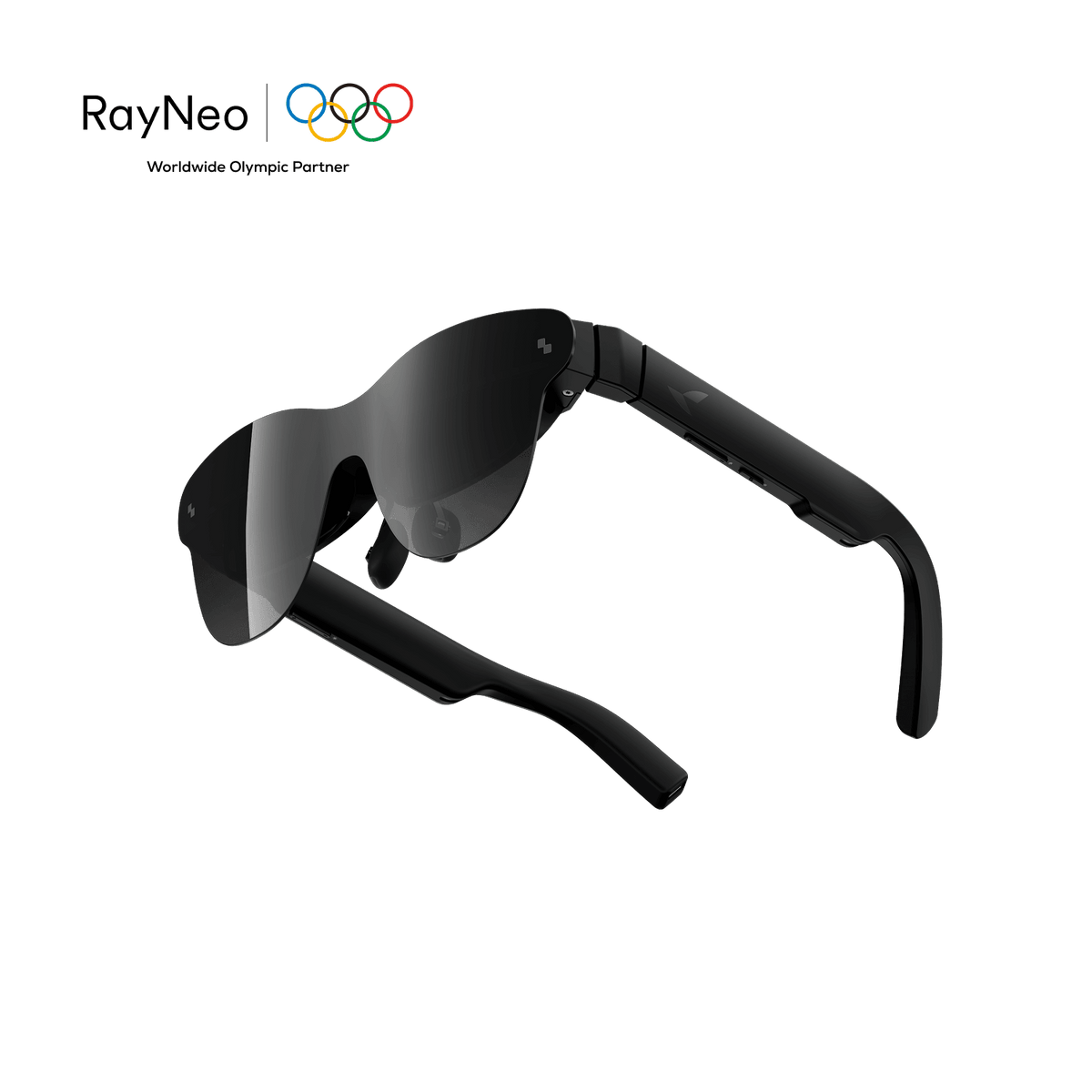
If you are considering capturing hands-free video to document your daily life, you might be wondering how people around you will react. Walking into a cafe or park with technology on your face often raises valid privacy questions. This guide focuses on how RayNeo's current smart glasses lineup breaks down for this need, offering options that range from upfront camera designs to completely camera-free models.
Feeling comfortable wearing tech in public often comes down to visual clarity. When a device is upfront about its recording capabilities, it helps set the right expectations for everyone in the room. Let's look at how we design our glasses to keep you connected while respecting the people around you.
As our dedicated AI and AR model equipped with a camera, the X3 Pro takes a direct approach to hardware visibility. Available for $1,299, it features a Sony IMX681 12MP main camera located in a distinct opening on the front frame. This non-hidden design ensures the device is easily recognizable as a camera-equipped tool.
To further signal when the device is active, you will notice a small LED near the camera that lights up during recording. This provides a clear visual cue to those nearby when video capture is running. You can control the glasses hands-free via the "Hey RayNeo" wake word for the built-in Google Gemini assistant, keeping your interactions natural.
The glasses weigh around 76 grams, balancing the hardware with a comfortable wearable form factor. For the display, the X3 Pro utilizes a Binocular Diffractive Waveguide and a full-color MicroLED, which translates to bright, clear graphics overlaid onto your real-world view. While it sits at a premium price point compared to our camera-free models, it delivers immersive spatial computing.

For environments where any outward-facing camera might not be suitable, we offer devices explicitly built without a lens. The standard RayNeo iO, priced at $449, is designed entirely without a camera to serve users who highly prioritize privacy. Powered by its own 240mAh battery, it provides up to two days of everyday AI and productivity use without needing constant tethering.
While the iO does not capture video, it features continuous audio recording for lifelogging and automatic meeting summaries. To keep your surroundings informed, we included a built-in privacy indicator light. Even with this feature, we recommend letting people know if you are recording in highly sensitive areas like medical offices.

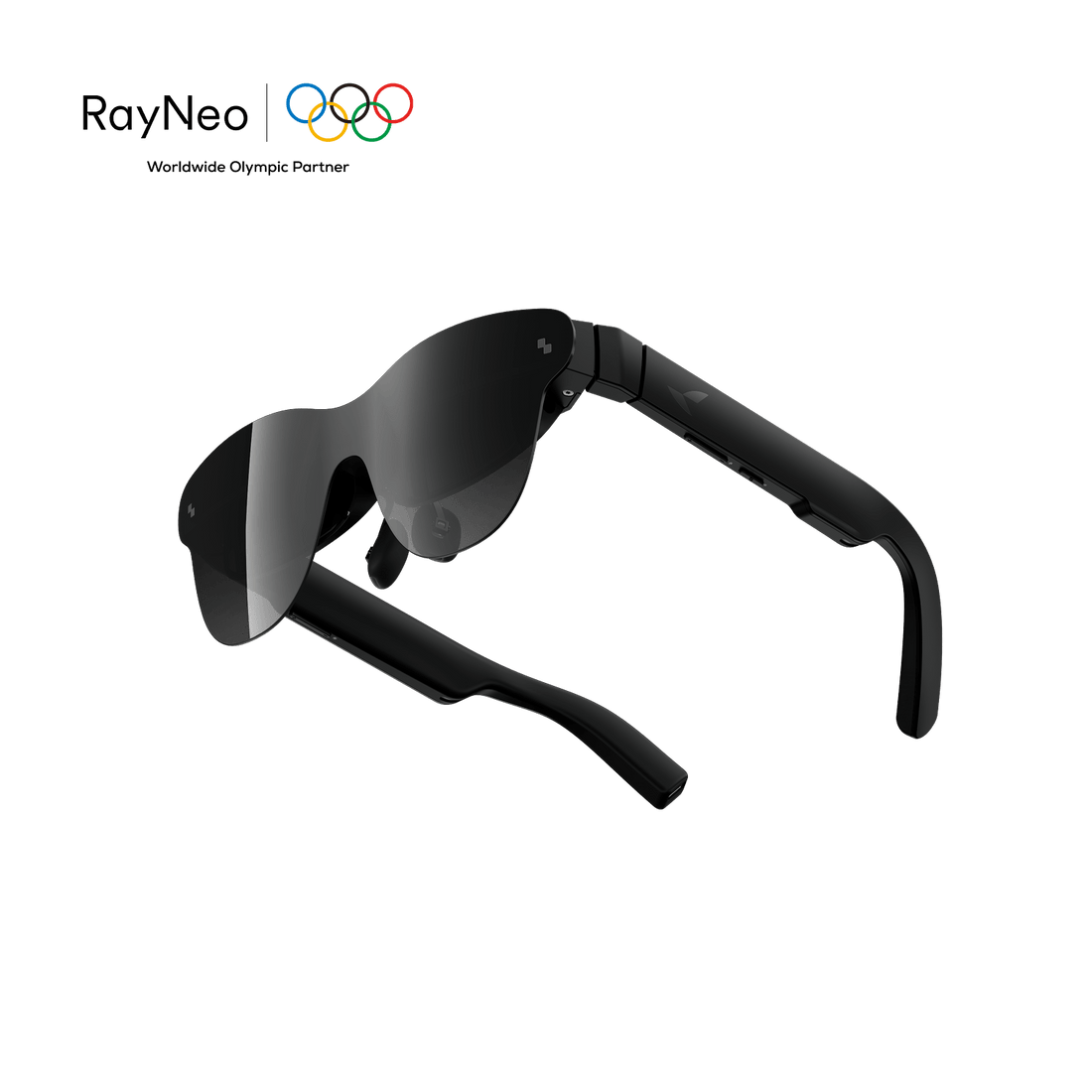
If your goal is private entertainment, our AR display glasses offer a camera-free path. The RayNeo GT Max is available for $399 and provides a massive virtual screen for movies and games. It requires a direct USB-C connection to a device supporting DisplayPort Alt Mode. We don't currently offer a confirmed adapter for the iPhone 16e, 17e, or Air, while older Lightning devices require a separate Apple Digital AV Adapter.
The GT Max completely omits external cameras, ensuring your viewing experience stays entirely private. Weighing just 78 grams, they are powered directly by your connected device. This setup draws some battery from your phone or laptop but keeps the glasses slim and less conspicuous in public spaces than bulkier headset designs.

Are there places where all smart glasses are banned? Yes. Regardless of visible indicators or the lack of a camera, many facilities restrict wearable technology entirely. Secure government buildings, certain concert venues, and private locker rooms often prohibit smart glasses completely. Always check local policies before wearing them in sensitive areas.
How do open-ear speakers affect social acceptability? Devices like the GT Max use open-ear acoustic designs to deliver sound without blocking your ears. While the GT Max features Whisper Mode 2.0 to minimize sound leakage, audio might still be faintly audible to people sitting immediately next to you in very quiet environments like libraries.
Will prescription inserts make the X3 Pro camera look more conspicuous? If you normally wear glasses, you might wonder if adding lenses draws more attention to the device. The RayNeo X3 Pro supports custom prescription inserts through our partnership with Lensology, starting at £95. These inserts clip directly into place behind the front frame, rather than stacking over your regular glasses. This integrated design keeps the outer appearance unchanged, ensuring the visible camera setup remains exactly as intended without adding unnecessary bulk to your face.
Finding the right smart glasses means considering what makes you and the people around you most comfortable. Whether you prefer the straightforward design of the X3 Pro with its visible recording cues, or a completely camera-free experience with the iO or GT Max, there is an option that fits your daily routine. Explore the product pages linked above to see which model best aligns with your needs.





Share:
Are AR Display Glasses Actually Worth Buying for Everyday Use?
What Equipment Do I Need to Experience Spatial Cinema at Home?