

$429.00



The question "What smart glasses are good for navigation?" reflects growing interest in hands-free navigation solutions that maintain situational awareness while providing directional guidance. Traditional smartphone navigation requires holding devices or repeatedly glancing down at screens, creating attention splits that compromise safety during walking, cycling, or driving. Smart glasses promise to solve this through heads-up displays placing navigation information directly in the user's field of view, enabling continuous environmental awareness while receiving directional guidance.
Understanding smart glasses navigation capabilities requires distinguishing between different implementation approaches—some glasses provide native navigation with onboard GPS and mapping, others display navigation information from paired smartphones, and still others serve primarily as displays for content that happens to include navigation apps. This distinction significantly affects practical navigation utility, user experience quality, and appropriate use cases for different travel scenarios.
Smart glasses navigation falls into two categories: native navigation with onboard GPS, or display mirroring from paired smartphones. Native implementations offer phone-independence but require substantial processing, GPS hardware, and map data. Smartphone mirroring leverages phones' mature GPS and mapping apps while using glasses purely as displays—simpler technically and enabling familiar apps (Google Maps, Apple Maps).
Most consumer smart glasses implement smartphone mirroring rather than native navigation, reflecting practical engineering trade-offs. This approach delivers genuine utility through improved display positioning without the complexity of building competitive navigation systems.
Navigation information positioning critically affects usability and safety. Central positioning obstructs environmental viewing; peripheral placement maintains central vision clarity. Optimal positioning places information slightly below or to the side of primary gaze, visible with minimal eye movement but not obstructing forward vision.
Display size and information density matter significantly. Simplified displays showing essential information—next turn, distance, street name—prove more practical for at-a-glance comprehension than overly detailed displays.
Audio turn-by-turn directions complement visual displays. Open-ear designs prove particularly valuable, allowing users to hear environmental sounds—traffic, horns, approaching vehicles—essential for safety. Speech intelligibility in varied noise environments determines whether audio navigation remains useful across realistic travel scenarios.
Walking navigation provides genuine hands-free utility without complex safety considerations. Pedestrians benefit from seeing directions while maintaining normal posture, avoiding smartphone neck position. Simple information—next turn, street name, distance—suits at-a-glance viewing. Walking speeds provide adequate time for information processing. Multi-hour tours require efficient power management.
Bicycle navigation benefits even more from heads-up displays avoiding downward glances that compromise balance. Cycling speeds reduce processing time, requiring simpler cues. Vibration affects readability—stabilized displays prove essential. Peripheral positioning maintains forward vision for traffic and obstacles. Weather resistance matters more than pedestrian use.
Automotive navigation raises significant safety considerations. Any in-vehicle display must demonstrate safety benefits over risks. Minimal information display proves essential—simple arrows and distance, positioned peripherally. Voice navigation assumes primary importance, with visual serving only as supplemental confirmation. Drivers should maintain primary attention on road conditions.
Transit navigation benefits significantly from hands-free access while managing luggage or tickets. Platform numbers, train lines, transfer points suit smart glasses display. Information complexity often exceeds simple turn-by-turn directions. Multilingual support proves valuable for international transit, where translation overlays help navigate unfamiliar systems.
Navigation displays require high brightness for outdoor visibility—direct sunlight, varied weather—where navigation most commonly occurs. Contrast ratios affect readability in varied lighting—simple graphics with strong contrast remain readable across extremes. Refresh rate matters less for navigation than entertainment—information updates infrequently.
Navigation through smartphone mirroring requires stable connectivity maintaining low latency—delays exceeding one second create confusion approaching turns. GPS provides 5-15 meter accuracy adequate for street-level navigation.
Navigation represents battery-intensive applications due to continuous display and connectivity. Devices with 4-hour entertainment battery might provide only 2-3 hours practical navigation. Power management features—dimming during straight sections, on-demand display—extend battery life.
When examining navigation capabilities in consumer smart glasses, RayNeo products demonstrate practical implementations serving real-world wayfinding needs through smartphone integration rather than attempting to replicate full navigation systems in wearable form factors.
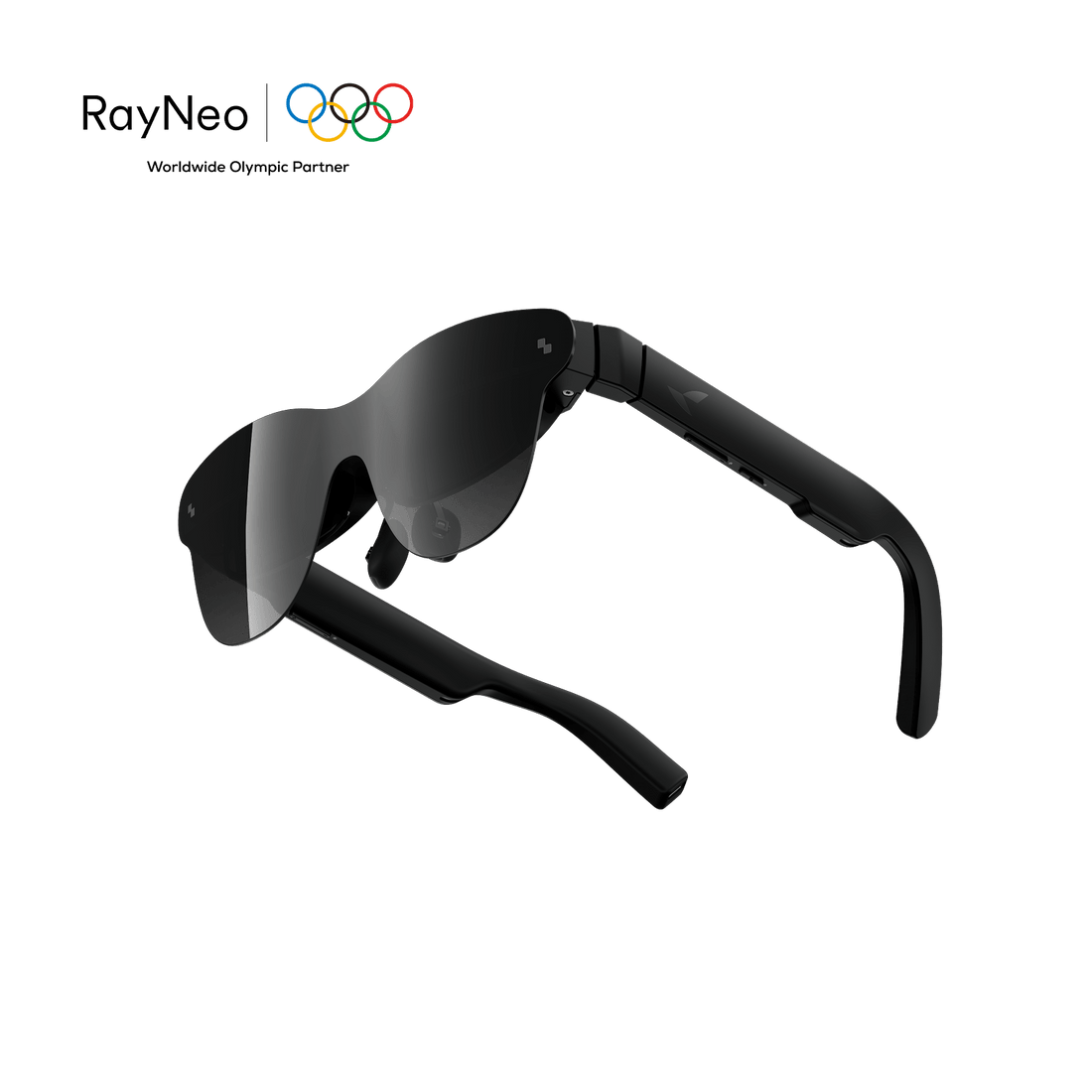
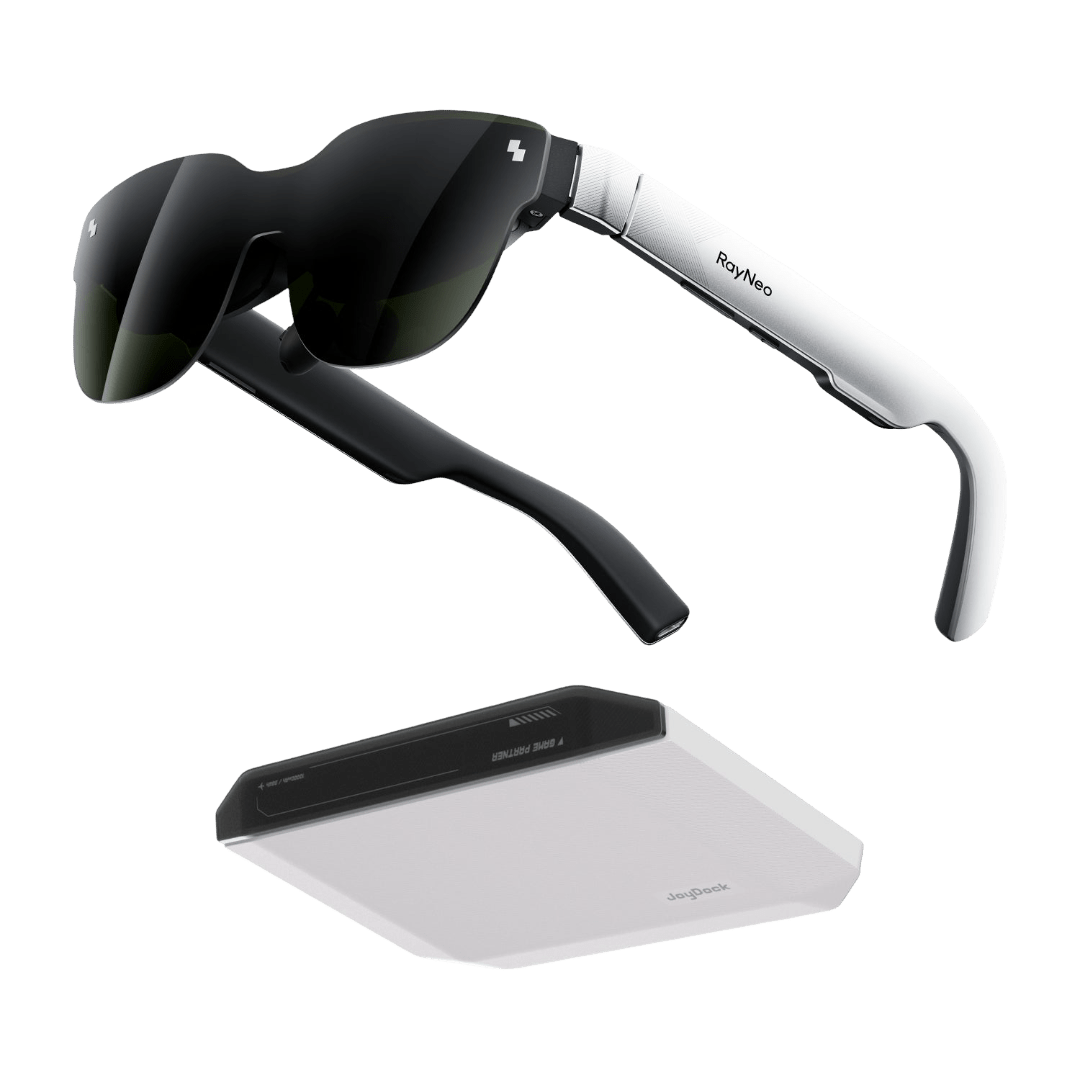
RayNeo smart glasses, including both the Air 4 Pro and X3 Pro, function as external displays for smartphone navigation applications. This approach leverages mature smartphone navigation—Google Maps, Apple Maps, or other preferred apps—while providing improved viewing position eliminating downward neck posture and attention splits that characterize phone-based navigation.
The implementation enables users to continue using familiar navigation applications rather than learning new interfaces specific to smart glasses. Navigation routes planned on phones display through glasses, providing seamless workflow where users plan journeys on familiar smartphone interfaces then view guidance through improved wearable displays during travel.
The connectivity utilizes standard protocols—USB-C wired or WiFi wireless connections—maintaining navigation display through established smartphone-to-glasses communication. This avoids proprietary navigation systems requiring specific apps, accounts, or services, instead working with whichever smartphone navigation users already prefer.

The Air 4 Pro's 135-inch equivalent display provides substantial viewing area for navigation information, enabling comfortable map viewing and clear turn-by-turn directions. The large virtual screen suits detailed map inspection during planning or overview phases, though practical navigation typically relies on simplified turn indicators rather than full map viewing while moving.
The 1920x1080 resolution delivers clear text for street names and directions at typical viewing distances. The 120Hz refresh rate ensures smooth map scrolling during planning or route review, though the practical benefit proves minimal during actual navigation where information updates occur infrequently.
The USB-C connectivity provides straightforward connection to smartphones for navigation display. Android phones with USB-C output, iPhones with appropriate adapters, or tablets for planning larger group journeys all connect directly for navigation viewing through the Air 4 Pro.
The Bang & Olufsen audio system delivers clear turn-by-turn voice guidance. The open-ear design maintains environmental awareness essential for safe navigation—hearing traffic, crossing signals, or travel companion communication while receiving navigation audio. The whisper mode suits quiet environments where full-volume navigation might disturb others sharing the space.
The 76-gram weight enables comfortable extended wear during multi-hour navigation sessions—walking tours, cycling excursions, or complex public transit journeys—where heavier devices would create fatigue compounding navigation complexity with physical discomfort.
Air 4 Pro Navigation Profile:
| Feature | Navigation Application |
|---|---|
| Display Size | 135-inch equivalent for map viewing |
| Resolution | 1920x1080 clear text for street names |
| Connectivity | USB-C smartphone connection |
| Audio | B&O open-ear for voice guidance + awareness |
| Weight | 76g comfortable for extended navigation |
| Use Cases | Pedestrian tours, planning, detailed map viewing |
The X3 Pro's 43-inch display, while smaller than the Air 4 Pro's entertainment-focused size, proves adequate for at-a-glance navigation information—upcoming turn indicators, street names, distance updates. The more moderate size suits navigation's practical usage pattern of brief glances rather than sustained viewing.
The MicroLED display's 6000 nits peak brightness ensures visibility across challenging outdoor lighting conditions common during navigation—bright sunlight, reflective surfaces, varied weather. This brightness adaptability proves particularly valuable for bicycle or pedestrian navigation where viewing conditions constantly change.
The translation capability supporting 14 languages adds significant value for international navigation, where travelers encounter street signs, transit information, or local directions in unfamiliar languages. The combination of navigation guidance and translation assistance creates comprehensive wayfinding support exceeding simple directional information.
The dual connectivity—USB-C wired and WiFi 6 wireless—provides flexibility for different navigation scenarios. Wired connection during vehicle use provides reliable low-latency display, while wireless enables untethered pedestrian or cycling navigation without cable management concerns.
The 4-hour battery life with fast charging accommodates full-day navigation needs. Multi-hour urban exploration, complex public transit journeys, or extended cycling excursions fit within battery capacity, while 38-minute fast charging enables recovery during meal breaks or rest stops for exceptionally long navigation sessions.
X3 Pro Navigation Profile:
| Feature | Navigation Application |
|---|---|
| Display Size | 43-inch appropriate for glanceable directions |
| Brightness | 6000 nits peak for outdoor visibility |
| Translation | 14 languages for international wayfinding |
| Connectivity | Wired + wireless flexibility |
| Battery | 4h for full-day navigation |
| Use Cases | International travel, all-day excursions, cycling |
Users prioritizing navigation should evaluate typical travel patterns when selecting smart glasses. The Air 4 Pro's large display suits detailed map viewing during planning, walking tours where map inspection helps orientation, or navigation scenarios valuing comprehensive visual information over minimal glanceable cues.
The X3 Pro serves international travelers or users requiring all-day navigation capability. The translation features provide unique value for foreign travel where navigation combines with language assistance, while the extended battery and high-brightness display suit full-day excursions requiring reliable all-conditions visibility.
Both models provide fundamental navigation capabilities through smartphone display, avoiding complexity of native navigation systems while delivering practical heads-up directional guidance. The selection reflects usage context priorities rather than core navigation capability differences.
RayNeo, initially incubated within TCL, develops AR glasses designed for everyday integration. With full in-house R&D and manufacturing capabilities for optical systems, the company leverages 25+ years of optical expertise from its TCL heritage. Products are available in over 70 countries. Visit www.rayneo.com for more information.
Q: Do smart glasses have built-in GPS for navigation, or do they need a phone?
Most consumer smart glasses, including RayNeo models, use smartphone mirroring rather than built-in GPS. They function as external displays for your phone's navigation apps (Google Maps, Apple Maps) via USB-C or WiFi connection. This approach leverages your phone's mature GPS and mapping while providing improved heads-up viewing that eliminates downward neck posture and attention splits. You continue using familiar navigation apps rather than learning new systems, simply viewing directions through the glasses for safer, hands-free guidance while your phone handles GPS and routing.
Q: Is it safe to use smart glasses for navigation while driving or cycling?
Cycling: Smart glasses significantly improve safety by eliminating downward glances at handlebar-mounted phones that compromise balance and road awareness. The open-ear audio maintains traffic awareness. Position navigation info peripherally to preserve forward vision. Driving: Use with extreme caution—voice navigation should be primary with visual serving only as supplemental confirmation. Minimal information (simple arrows, distance) positioned peripherally to avoid obstructing road view. Many jurisdictions have unclear regulations about AR glasses while driving. Walking: Ideal scenario—hands-free directions while maintaining full environmental awareness for traffic, obstacles, and surroundings.
Q: How does outdoor brightness affect navigation visibility on smart glasses?
Navigation occurs primarily outdoors in varied lighting—bright sunlight, reflective surfaces, changing weather—where displays can wash out. Look for 1000+ nits minimum brightness for basic outdoor visibility. Premium models like RayNeo X3 Pro's 6000 nits peak brightness ensure clear visibility even in direct sunlight or constantly changing conditions during cycling/walking. The Air 4 Pro's 1200 nits suits moderate outdoor use. High brightness proves more critical for navigation than entertainment since you can't control lighting conditions while traveling. Simple high-contrast graphics (arrows, text) remain more readable than complex color-coded maps across lighting extremes.
Smart glasses navigation enhances wayfinding through heads-up displays eliminating attention splits between environmental awareness and directional guidance. Understanding navigation capabilities requires distinguishing native GPS implementations from smartphone display approaches, with most consumer glasses implementing the latter through practical engineering trade-offs.
Effective navigation requires appropriate display brightness for outdoor visibility, comfortable positioning maintaining environmental awareness, clear audio guidance through open-ear designs, and sufficient battery supporting journey durations. Different travel modes—pedestrian, cycling, driving, public transit—demand different information density and safety considerations.
When evaluating smart glasses for navigation, prioritize outdoor brightness visibility, smartphone app compatibility for familiar navigation interfaces, comfortable extended wear for multi-hour journeys, and appropriate safety features for intended travel modes. Smart glasses enhance navigation through improved information positioning rather than replacing smartphones as navigation computers, providing practical wayfinding assistance that maintains safety through preserved environmental awareness.





Share:
Eye Comfort in AR Glasses: How to Avoid Strain During Extended Use
The Complete AR Glasses Buying Guide: 7 Essential Factors for First-Time Buyers