

$429.00

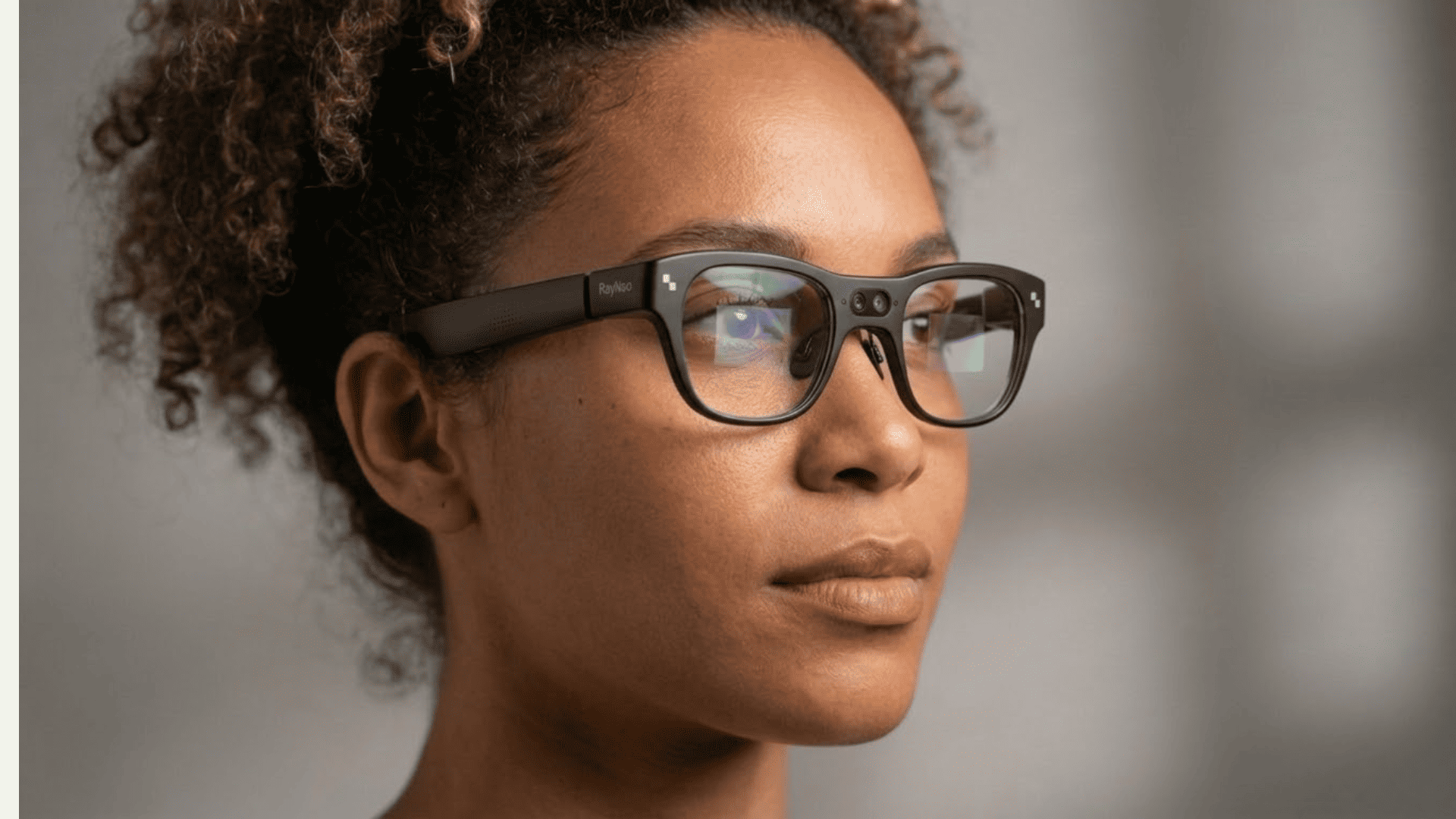
If you wear prescription glasses or contacts, you can still use camera glasses or AR smart glasses. The real question is which of four approaches your specific pair supports: an official magnetic prescription insert, wearing the device over your existing frames, switching to contact lenses, or buying a version with prescription lenses built in through an official retail channel.
Not every product supports all four paths. Some support only one. A few don't have a clean solution at all. This guide breaks down each method, what it actually involves, and where RayNeo X3 Pro fits, including the specific limitations you should know before buying.
Each method has different costs, wait times, and limits. None of them is universally the best choice. The right one depends on your prescription strength, how often you'll wear the glasses, and whether the specific model you want even offers it.
| Method | How it works | Typical cost | Main limitation |
|---|---|---|---|
| Magnetic or clip-in prescription insert | A separate lens frame holding your prescription snaps onto a mounting point inside the glasses | Roughly $100 to $125 add-on, brand dependent | Usually single-vision, distance-only; adds shipping wait |
| Wearing the device over your regular glasses | Your existing frames go on first, the camera or AR glasses go on top | No extra cost | Often uncomfortable for long sessions, can scratch lenses, fit varies by face |
| Contact lenses | You wear contacts as usual, the camera glasses sit like sunglasses | Cost of your normal contacts | Not an option if you can't or don't wear contacts |
| Official retail prescription frame | The maker or its optical partner grinds prescription lenses directly into the frame you buy | Bundled into frame price plus lens fee | Only available on models built specifically for this |
AR glasses with a waveguide display can't easily fit a thick prescription lens directly into the frame the way regular glasses do. The waveguide sits very close to your eye and needs a specific, unobstructed optical path to project the image correctly.
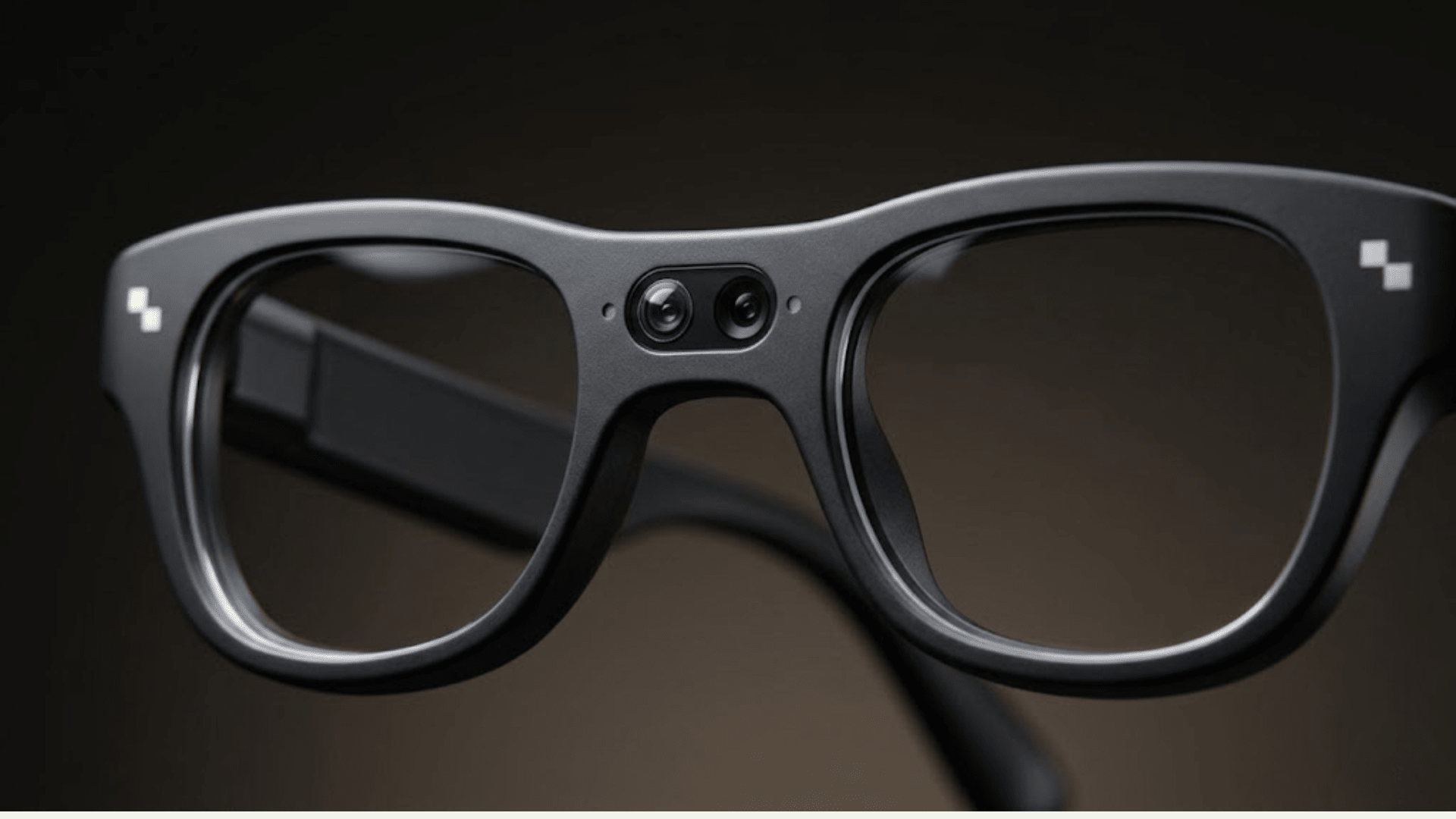
A magnetic or clip-in insert is the common workaround. It's a small secondary frame holding your prescription lenses that clips onto a mounting point, usually near the nose bridge, positioned behind the display layer and in front of your eye.
You typically order this by uploading a photo of your prescription to the maker's optical lab partner. The lab grinds custom lenses into the insert and ships it separately, adding several days and $100 to $125 to your total cost in most cases.
The tradeoff across nearly every AR glasses insert system, not just one brand, is that these are almost always single-vision, corrected for distance. If you rely on progressive or bifocal lenses for reading, this method won't fully replace your everyday glasses for close-up tasks.
Most camera glasses and smart glasses are physically wide enough to fit over a slim pair of prescription frames. In practice, this tends to work only for short sessions, not all-day wear.
Two frames stacked on top of each other add weight and pressure points on your nose and temples. The lenses can also rub against each other, which risks scratches over time.
For AR glasses specifically, there's a second issue. The display's eyebox, the zone where your eye needs to sit to see the image clearly, gets harder to align when a second pair of glasses shifts your eye position slightly. No official RayNeo guidance currently addresses wearing X3 Pro over prescription frames, so treat this as a fallback to test in person rather than a primary plan.
If you already wear contacts, or are willing to for the times you use your camera glasses, this sidesteps the compatibility question entirely. The glasses sit on your face like a normal pair of sunglasses, with no adapter, no extra part to order, and no added cost.
The limitation is obvious: not everyone can or wants to wear contacts. For that group, this isn't a real fix, just an alternative worth ruling in or out early.
A smaller number of camera glasses are sold with prescription lenses built directly into the frame through the maker's own optical retail network, rather than a third-party insert.
As of March 31, 2026, one widely sold camera-equipped smart glasses line (no display, camera-only, sold through a major eyewear retailer's optical network) announced new prescription-ready frame styles for pre-order. Retail availability at optical stores began around April 14, 2026.
Pricing is split into two tiers that are easy to confuse. The standard, non-prescription version of this line starts around $379. The new prescription-ready frames start at $499 before lens fees, which are added separately depending on lens type. The exact diopter range this line's prescription-ready frames support wasn't confirmed through official channels during this research, so don't rely on a specific number until you check directly with the retailer.
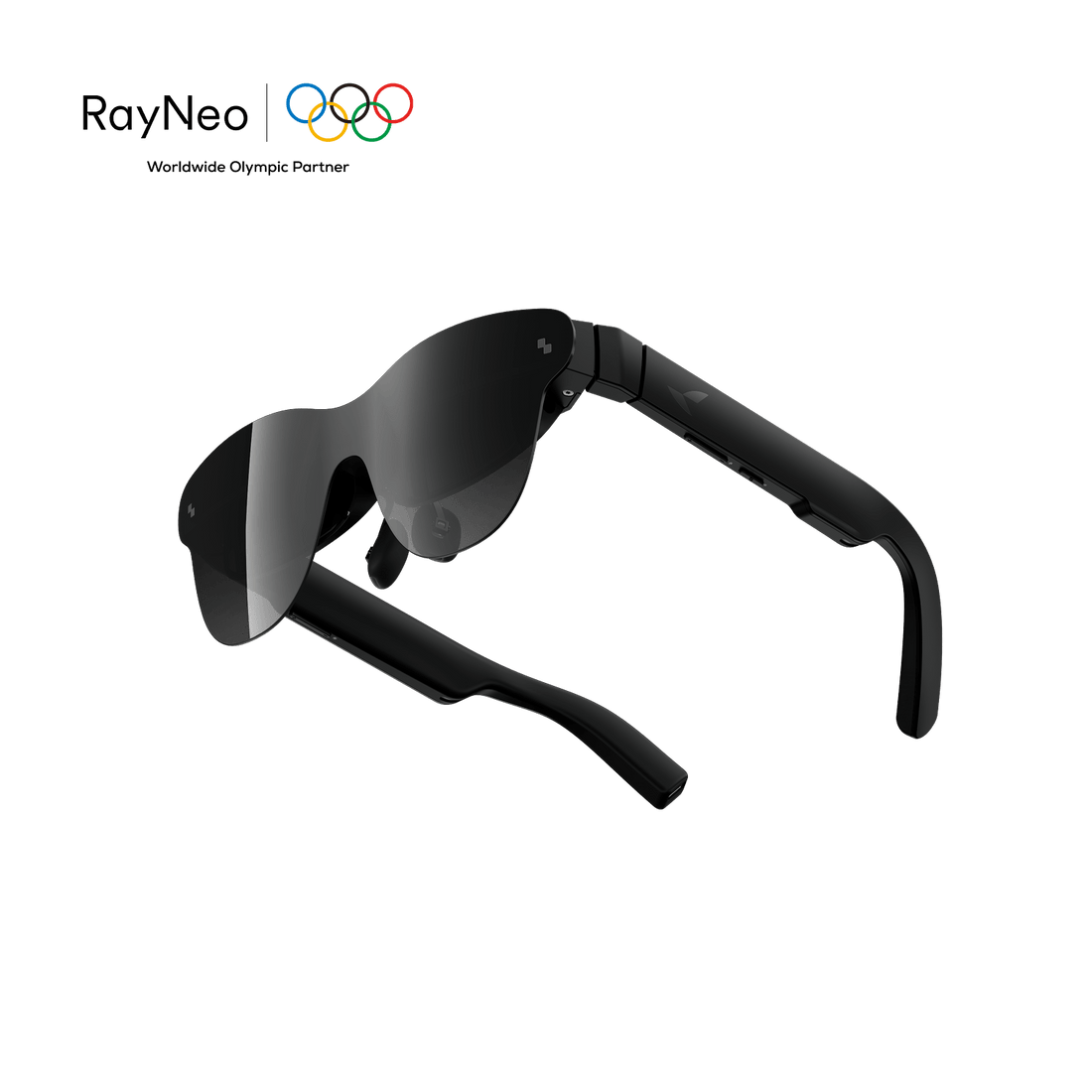
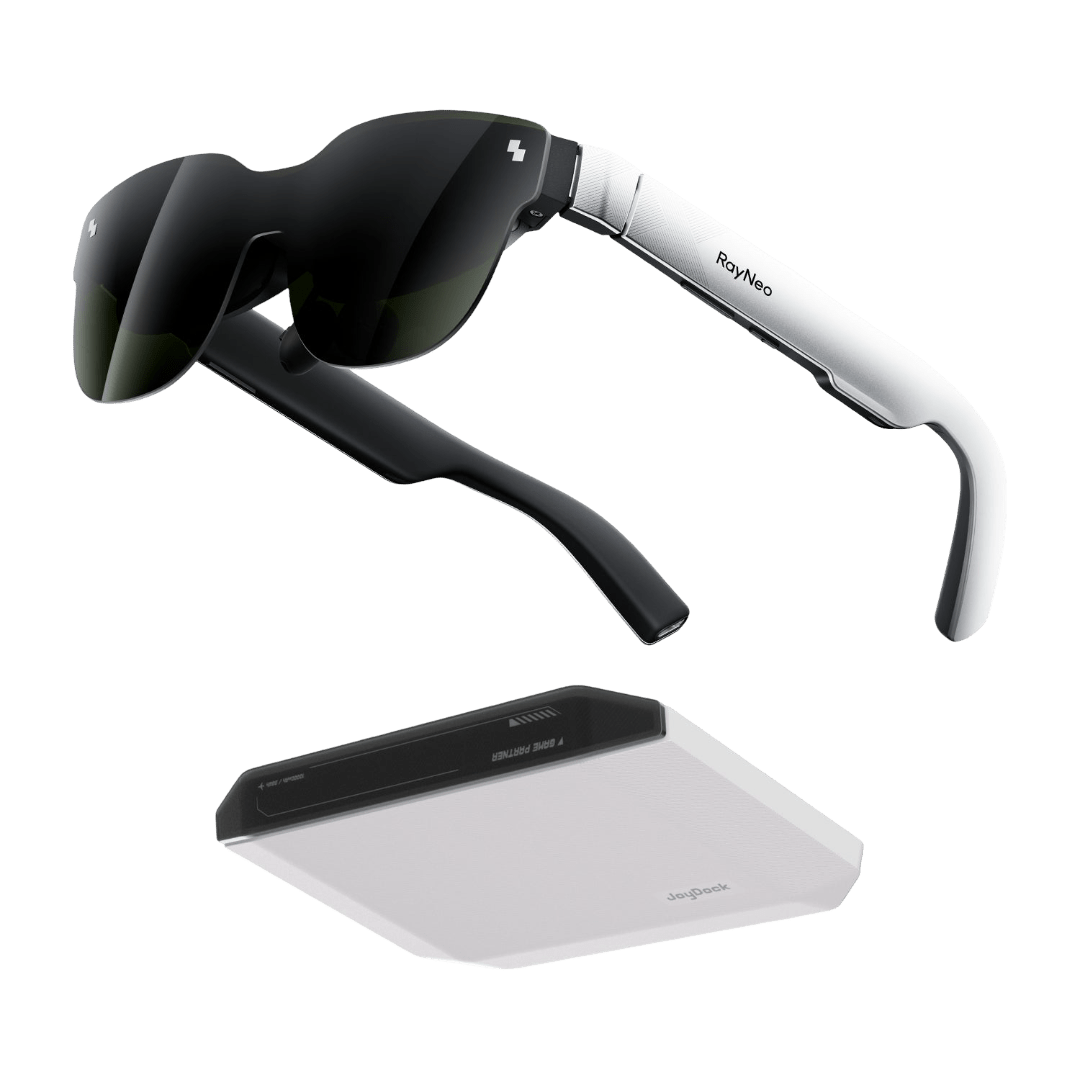
RayNeo X3 Pro is an AR smart glasses model with a dual-color MicroLED display (up to 6,000 nits), Gemini-powered translation, navigation, and notifications, a 12MP Sony IMX681 main camera plus a monochrome spatial-tracking camera, and photo capture up to 4K (video up to 1440p). It weighs about 76 grams and runs through the RayNeo AR app (iOS 15.5+, Android 9+ recommended). It's priced at $1,299 as of August 2026.
X3 Pro does support prescription correction, through a magnetic lens insert rather than wearing your regular glasses underneath. The insert clips onto a magnetic docking point on the nose bridge, positioned behind the waveguide display, the same general approach described above for AR glasses.
The insert is supplied by Lensology, a UK-based optical lab that lists itself as an authorized supplier for RayNeo X3 Pro prescription inserts. Ordering, fulfillment, and support for the insert are handled by Lensology directly, not through RayNeo's own customer service, so questions about your specific prescription or order status should go to Lensology, not RayNeo.
On Lensology's US site, the X3 Pro insert is listed at a single price of $125, not a price range. UK pricing on Lensology's regional site is shown separately in GBP and may reflect a different RayNeo insert product in their lineup, so don't assume a direct currency conversion between the two.
A commonly cited range across Lensology's RayNeo insert products is up to -10.00D myopia and -2.00D astigmatism. This figure appears on listings for more than one RayNeo model in their lineup, so it wasn't confirmed to be a limit specific to the X3 Pro rather than a general capability across their product line.
Whether the insert supports farsighted (plus-diopter) prescriptions wasn't confirmed during this research. If you need hyperopia correction, contact Lensology directly to confirm before ordering.
If your prescription is stronger than -10.00D, no confirmed custom option was found for this insert. Contact Lensology directly to ask whether a custom order is possible for higher prescriptions.
Whether the insert affects display brightness, clarity, or glare wasn't addressed in the independent reviews checked for this article. If this matters to you, ask RayNeo or Lensology directly before buying, ideally with a return policy in place in case the result doesn't meet your expectations.
Two limitations apply regardless of the numbers above. The insert is built for distance correction, not reading or intermediate vision, so it won't replace progressive lenses for close-up work. And because ordering and support run through Lensology rather than RayNeo, factor in a separate customer service relationship and a separate shipping timeline from your glasses purchase.
If you're budgeting for the full setup, X3 Pro at $1,299 plus the $125 US insert brings your total to roughly $1,424 before tax or shipping.

| RayNeo X3 Pro | Camera-only glasses with retail Rx frames | |
|---|---|---|
| Display | Yes, dual-color MicroLED AR display | No display |
| Prescription method | Magnetic insert via third-party optical lab | Lenses ground directly into frame via retailer's opticians |
| Who handles support | Lensology (insert), separate from RayNeo | Retailer's own optical staff |
| Lens type | Single-vision, distance-only | Single-vision and progressive available, per retailer |
| Base price | $1,299 | $379 (non-Rx) / $499 starting (Rx-ready frames, before lens fees) |
| Best for | Wanting a display for translation, navigation, and notifications, and willing to manage a separate insert and separate support channel | Wanting a simpler camera-only pair with prescription lenses in one finished frame |
If a display and AI features matter to you, X3 Pro is the more capable device, but budget for the insert's added cost, wait time, and separate support process. If you mainly want a camera in your glasses and prefer prescription lenses built into one frame with a single point of support, the retail Rx route may be the smoother experience.
If prescription compatibility is your main frustration, one way around it is choosing a wearable camera that isn't glasses at all. Clip-on wearable cameras, designed to attach to a hat brim, collar, or strap, capture photo and video the same way camera glasses do, without touching your eyewear.
This means giving up any AR display or the glasses form factor. But for someone who just wants hands-free video and finds every glasses-based prescription workaround frustrating, it's worth considering before assuming glasses are your only path.
Can I wear my regular prescription glasses underneath camera glasses or AR glasses? It's usually possible for short periods but uncomfortable for extended wear, since you're stacking two frames and two lens surfaces. For AR glasses, it can also shift your eye position relative to the display. RayNeo hasn't published this as an official supported method for X3 Pro, so treat it as a personal fit test, not a guaranteed fix.
Does RayNeo X3 Pro support prescription lenses? Yes, through a magnetic insert supplied by Lensology, an optical lab that lists itself as an authorized supplier for this product. Ordering and support for the insert go through Lensology directly, not RayNeo's own customer service.
How much does the RayNeo X3 Pro prescription insert cost? Lensology's US site lists it at a single price of $125. UK pricing is shown separately in GBP and may apply to a different RayNeo insert product, so don't assume a direct conversion. Combined with the $1,299 glasses, total cost runs about $1,424 before tax or shipping.
Does the insert support farsighted (plus-diopter) prescriptions, or very high myopia? This wasn't confirmed during research. If you need hyperopia correction, or your prescription is stronger than -10.00D, contact Lensology directly to ask about your options before ordering.
Does the insert affect display brightness, clarity, or glare on X3 Pro? Available independent reviews didn't address this directly. If it matters to you, ask before buying, and confirm the return policy in case the result isn't what you expect.
Why can't AR glasses just have prescription lenses built into the frame like regular glasses? The waveguide display sits very close to the eye and needs a specific, unobstructed optical path to project its image correctly. A thick prescription lens built into the main frame would interfere with that path, which is why a separate insert positioned behind the display is the common workaround for this category.
Is prescription support the same across all camera and AR glasses? No. Some models support an official insert through a third-party lab, some are sold with prescription lenses built into specific retail frame styles, and some offer no formal solution. Always check the specific model, not the general category, before assuming compatibility.





Share:
Hands-Free & POV Recording Glasses: A Buyer's Guide to Camera Glasses, AR Glasses, and Clip-On Alternatives in 2026
AI Camera Glasses: Photos, Video & Visual AI