
Table of Contents
The rise of smart glasses for everyday use has redefined how we interact with technology. These devices are designed to look like regular eyewear while delivering notifications and information through subtle text overlays. However, many entry-level minimalist models retail for around $499 before prescription lenses, offering relatively basic functionality—no cameras, no speakers, just simple alerts. While these prove that smart eyewear can look normal, advanced alternatives within the same ecosystem provide significantly more value and capability.
The right choice depends on your specific needs. Some users require immersive displays for mobile workstations, others prioritize cutting-edge AI, and many seek a balance between sleek design and powerful features. Let’s examine what minimalist smart glasses for everyday use typically offer and how premium upgrades solve the problems basic models cannot address.

What Are Smart Glasses for Everyday Use Designed For?
Minimalist smart glasses target users who want subtle tech assistance without the bulk of traditional gadgets. They project essential data directly into your field of vision, essentially acting as a heads-up display that allows you to stay informed while maintaining natural social interactions.
-
Discreet All-Day Productivity: Calendar reminders and text previews appear without you ever touching your phone. A quick tilt of the head reveals a dashboard with the time, weather, and active notes.
-
Real-Time Translation: These devices often feature AI-driven translation, converting foreign speech into text displayed in your line of sight—perfect for seamless international travel.
-
Hands-Free Navigation: Directional cues like arrows and distance markers overlay your actual view of the street, so you never have to look down at a map while walking.
-
Professional Teleprompter: Scripts can scroll automatically during presentations or video calls, allowing you to maintain eye contact with your audience while hitting every key point.
Why Upgrade Beyond Basic Minimalist Models?
While basic smart glasses for everyday use established the minimalist trend, their limitations often drive users toward more robust solutions like the RayNeo lineup.
-
Superior Visual Fidelity: Basic models often use monochrome green text. Advanced RayNeo models utilize Micro-OLED and MicroLED technology to deliver full-color, high-definition virtual screens.
-
AI Integration: Beyond simple notifications, advanced eyewear now integrates multimodal AI (like Google Gemini) and dual cameras to "see" the world with you, offering real-time analysis and smarter assistance.
-
Entertainment & Gaming: A basic notification-only pair cannot play movies or host games. Modern AR glasses act as portable 200-inch displays for your laptop, console, or phone.

Bridging the Gap: How Design Meets Daily Comfort
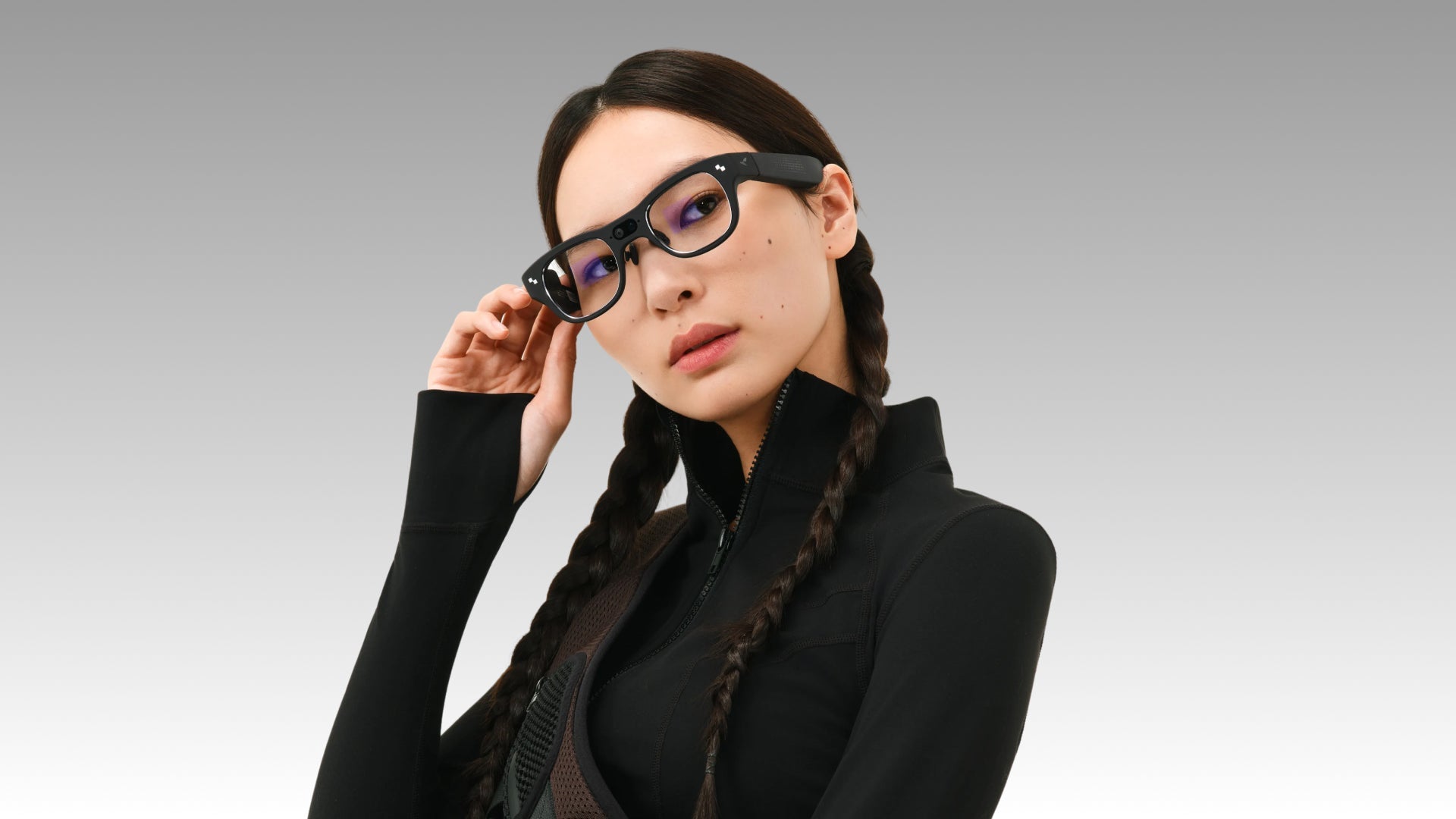
One of the biggest hurdles for smart glasses for everyday use is the "tech-heavy" look. Traditional AR headsets are bulky, but the latest minimalist designs prioritize ergonomics to ensure they stay on your face from your morning coffee to your evening commute.
-
Weight Distribution: Unlike earlier gadgets that felt front-heavy, modern frames use skin-friendly materials and balanced temples to ensure the weight (often under 80g) is distributed evenly across the nose bridge and ears.
-
Aesthetic Versatility: High-end models now mimic classic eyewear silhouettes like Wayfarers or Round frames. This allows them to blend into professional environments or casual outings without drawing unwanted attention.
-
Eye Health Technology: Since these are designed for all-day wear, top-tier models include TÜV Rheinland-certified eye protection, featuring low blue light emissions and flicker-free dimming to prevent digital eye strain during long work sessions.
Connectivity and Ecosystem: Beyond the Smartphone App
While basic smart glasses often act as a simple peripheral for your phone, advanced everyday wear serves as a hub for all your digital devices. This connectivity is what transforms a "notification gadget" into a true productivity tool.
-
Plug-and-Play Versatility: Using USB-C DisplayPort integration, these glasses can instantly mirror or extend screens from MacBooks, Windows PCs, and iPad Pros. This creates a private, massive workspace in public areas like airplanes or cafes.
-
Gaming Console Compatibility: By connecting to handhelds like the Steam Deck or Nintendo Switch, your glasses become a high-refresh-rate portable monitor, allowing for immersive gaming without needing a bulky TV.
-
The Power of Dedicated Hubs: Some ecosystems offer dedicated pocket-sized controllers or "Hubs" that provide extra battery life and a specialized interface, allowing you to navigate apps and media with physical buttons rather than awkward swipes on your temple.
Top RayNeo Alternatives for Minimalist Enthusiasts
If you find basic everyday smart glasses too limiting, RayNeo Smart Glasses offers specialized hardware that scales from ultra-lightweight AI frames to full-scale cinematic AR.
1. RayNeo Air 4 Pro: The Portable Cinema
The best AR glasses 2026 RayNeo Air 4 Pro is designed for those who want a minimalist look but professional-grade entertainment.
-
Visuals: It features a 0.6-inch SeeYa Micro-OLED display, delivering a massive 201-inch virtual screen with HDR10 support.
-
Performance: A 120Hz refresh rate ensures smooth motion for gaming and action movies.
-
Audio: Quad speakers tuned by Bang & Olufsen provide high-fidelity spatial sound with a "Whisper Mode" for privacy.

2. RayNeo X3 Pro: The AI Productivity Powerhouse
For users who need the ultimate tool for work and translation, the RayNeo X3 Pro is a massive leap forward.
-
Advanced AI: It features the Google Gemini AI assistant natively integrated, using dual cameras for visual recognition.
-
Display: Utilizing the Firefly Optical Engine, it reaches an incredible 6,000 nits of brightness, making it perfectly legible even in direct sunlight.
-
Workflows: It can record meetings, provide real-time AI summarization, and translate 14 different languages instantly.
Technical Specification Comparison
|
Feature |
Basic Everyday Smart Glasses |
RayNeo Air 4 Pro |
RayNeo X3 Pro |
|
Display Tech |
Monochrome Micro-LED |
Micro-OLED (HDR10) |
Full-Color MicroLED |
|
Primary Use |
Notifications/Text |
Movies/Gaming/Work |
AI/Translation/AR |
|
Max Brightness |
Moderate |
600 nits |
6,000 nits |
|
Weight |
~44g |
76g |
76g |
|
Key Advantage |
Extreme Discretion |
Cinematic Experience |
Visual AI Integration |
Final Verdict: Choosing the Right Everyday Pair
The best smart glasses for your daily carry depend on your lifestyle:
-
The Minimalist: If you truly only want text alerts and want the lightest possible frame, a basic smart glasses for everyday use model is a solid starting point.
-
The Media Buff: If you want your glasses to replace your TV or monitor, the RayNeo Air 4 Pro provides the best color accuracy and audio quality in the industry.
-
The Power User: If you need an AI companion that can translate conversations in real-time and help with professional tasks, the RayNeo X3 Pro represents the peak of current AR technology.
While basic models offer a great entry point into wearable tech, moving into the RayNeo ecosystem ensures that your glasses remain a powerful, multi-functional tool for years to come.
FAQ
Which smart glasses are the most comfortable for all-day use?
Comfort for all-day wear is determined primarily by weight. You should look for the lightest smart glasses that still offer the features you need. RayNeo smart glasses often feature multi-level adjustment systems to ensure the frames sit correctly on various face shapes.

Can smart glasses replace earbuds or a smartwatch for everyday use?
Smart glasses can effectively replace earbuds for casual listening through directional audio technology, and RayNeo's Whisper Mode ensures your audio remains private. They also replace the need for a smartwatch by placing notifications directly in your line of sight, though a dedicated watch may still be superior for high-intensity fitness tracking.
How important is battery life in smart glasses for daily carry?
Battery life is critical if you intend to use AI features or navigation throughout the day. While display-only glasses are powered by the connected device, standalone AR glasses like the RayNeo X3 Pro feature fast-charging capabilities that allow you to reach a full charge in under 40 minutes, ensuring they are ready for a full day of intermittent use.
Are camera-equipped smart glasses good for everyday carry?
Camera-equipped models are excellent for productivity as they enable visual AI for real-time translation and object recognition. While they offer immense utility for capturing first-person memories, users should remain mindful of social etiquette and privacy settings in sensitive environments.
What should I look for if I use smart glasses in bright sunlight?
If you plan to use your glasses outdoors, peak brightness is the most important spec. High-end MicroLED displays can reach several thousand nits, ensuring the interface remains visible even in harsh lighting. RayNeo products specifically engineered for outdoor use provide industry-leading brightness to solve the visibility issues common in basic minimalist eyewear.
Share:
How to Choose the Best Smart Glasses for Binge-Watching?
What is DoF? Everything You Need to Know About Degrees of Freedom