

$429.00



The question "What are good AI smart glasses?" reflects growing interest in artificial intelligence integration with wearable displays, but also reveals confusion about what "AI-powered" actually means in practice. Marketing materials frequently highlight AI capabilities without explaining which specific functions artificial intelligence enables, which features merely use the AI label for conventional algorithms, and which AI applications deliver genuine daily utility versus experimental demonstrations. Understanding AI in smart glasses requires distinguishing marketing language from functional reality and identifying which AI capabilities provide practical value in everyday usage scenarios.
This guide examines AI functions in smart glasses context, explaining what artificial intelligence actually does technically, which applications prove useful in practice, and how to evaluate whether specific AI implementations justify the complexity, battery consumption, and cost they introduce. The focus remains on practical utility rather than technological impressiveness, helping readers understand which AI features enhance their actual usage patterns versus which sound compelling but see limited real-world application.
Artificial intelligence in smart glasses encompasses various approaches from pattern matching to sophisticated machine learning. The term "AI-powered" has become marketing language applied broadly. Genuine AI involves machine learning models trained on large datasets to recognize patterns or generate outputs: computer vision identifying objects or text, natural language processing understanding spoken commands, translation engines converting languages, and recommendation systems.
The distinction matters because true AI requires significant processing power, consumes more battery, and may depend on cloud connectivity. Features labeled "AI" without genuine machine learning might work offline and consume minimal power but lack adaptability. Understanding this distinction helps evaluate whether AI claims justify trade-offs.
AI processing occurs either on-device or in cloud. On-device offers immediate response without latency, works offline, and preserves privacy. However, limited wearable processing constrains model complexity. Cloud AI enables sophisticated models too large for wearable devices—translation, advanced recognition, conversational assistants. Trade-offs involve network latency, connectivity dependency, and privacy concerns.
Most implementations use hybrid approaches—lightweight on-device models for immediate tasks while delegating sophisticated operations to cloud services. This balances responsiveness, capability, and offline functionality.
AI processing, particularly computer vision or natural language tasks, consumes significant power. Continuous AI features drain batteries faster than passive display. Users expecting all-day battery must understand intensive AI usage substantially reduces duration from 4-6 hours to potentially 2-3 hours under continuous AI operation.
Visual translation—pointing glasses at foreign text and seeing translations—combines OCR identifying text, language detection, and machine translation. This proves most useful during international travel for menus, signs, documents. Translation accuracy varies based on language pair, text complexity, and visual conditions. Printed text in good lighting translates more accurately than handwritten notes or poor lighting conditions.
Voice AI enables hands-free control through spoken commands. Technology involves speech recognition, natural language understanding, and response generation. Practical utility depends on recognition accuracy across acoustic environments and speaker characteristics. Systems handle simple commands reliably—play/pause, volume, calls—while complex commands prove less reliable. Recognition in quiet environments exceeds performance in noisy contexts.
AI learns user preferences from usage patterns, recommending content or adjusting settings. Effectiveness improves over time with more behavioral data. Quality depends on recommendation accuracy—systems suggesting genuinely appealing content versus generic suggestions. Privacy considerations affect personalization—local analysis preserves privacy but limits sophistication; cloud-based enables better models but requires data transmission.
AI analyzes context—location, time, calendar—for proactive assistance. Reminders, traffic-aware departure suggestions, or relevant information based on activity. Utility varies based on lifestyle patterns and service integration. Users with structured calendars and consistent routines benefit more. The balance between useful assistance versus annoying interruptions proves critical.
Computer vision identifies objects, scenes, or activities. Applications include identifying products, recognizing landmarks, or understanding environmental context. These capabilities remain somewhat limited in regular consumer use despite technical impressiveness. Privacy concerns, particularly around facial recognition, significantly limit applications in consumer glasses.
Distinguish features you'll actually use regularly from impressive capabilities with minimal real-world application. Translation proves valuable for international travelers but irrelevant for those rarely encountering foreign languages. Voice commands help during hands-free activities but feel awkward in quiet social settings. Consider your actual usage patterns rather than hypothetical scenarios.
Determine which features require constant connectivity versus operating offline. Cloud-dependent translation or scene recognition cease functioning without network access—problematic during international travel where connectivity proves expensive or unavailable. Evaluate whether your typical usage scenarios provide adequate connectivity.
AI processing reduces typical 4-6 hour usage to potentially 2-3 hours under continuous AI operation. Occasional AI feature use minimally affects battery, but continuous operation drains power significantly. Consider whether your daily routine provides charging opportunities.

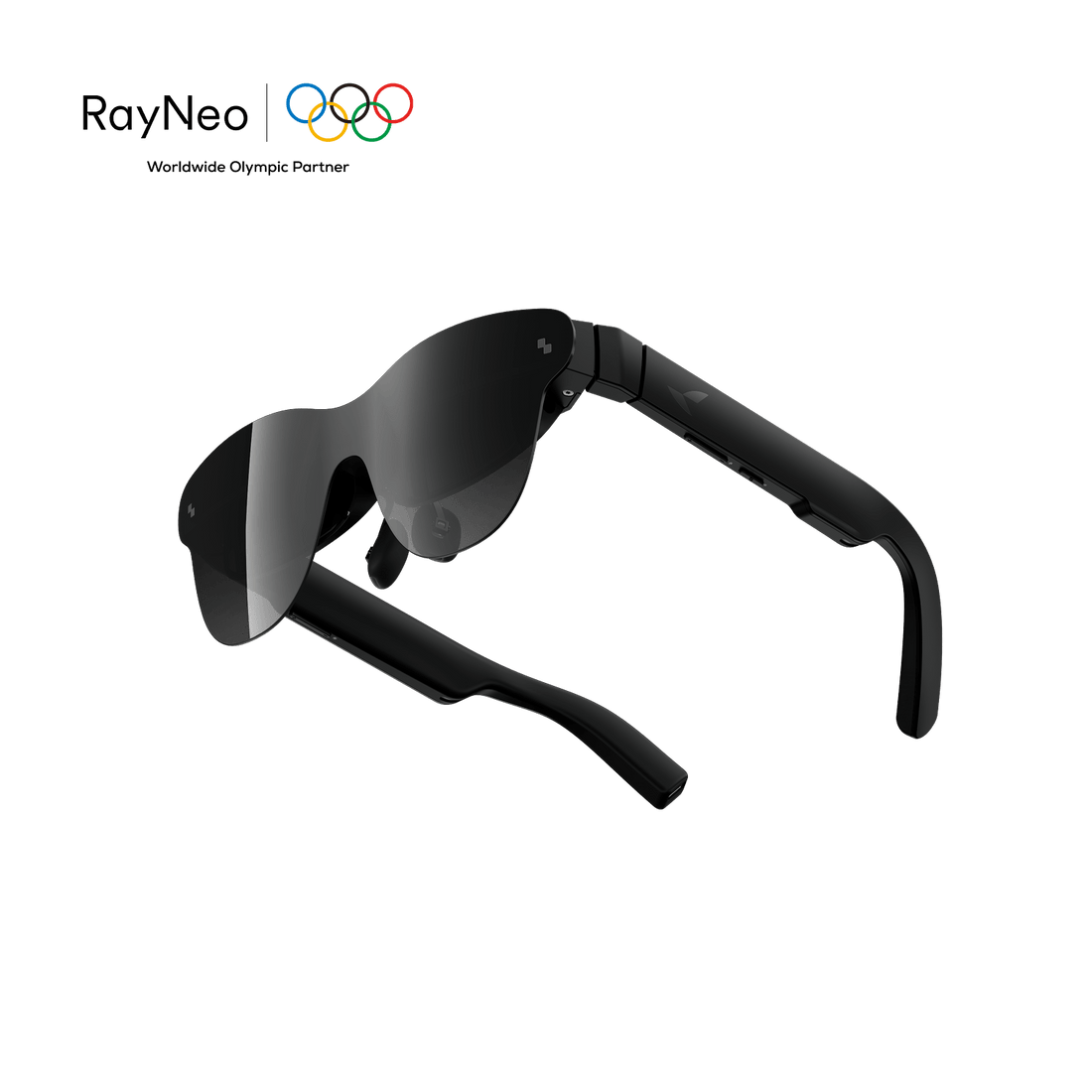
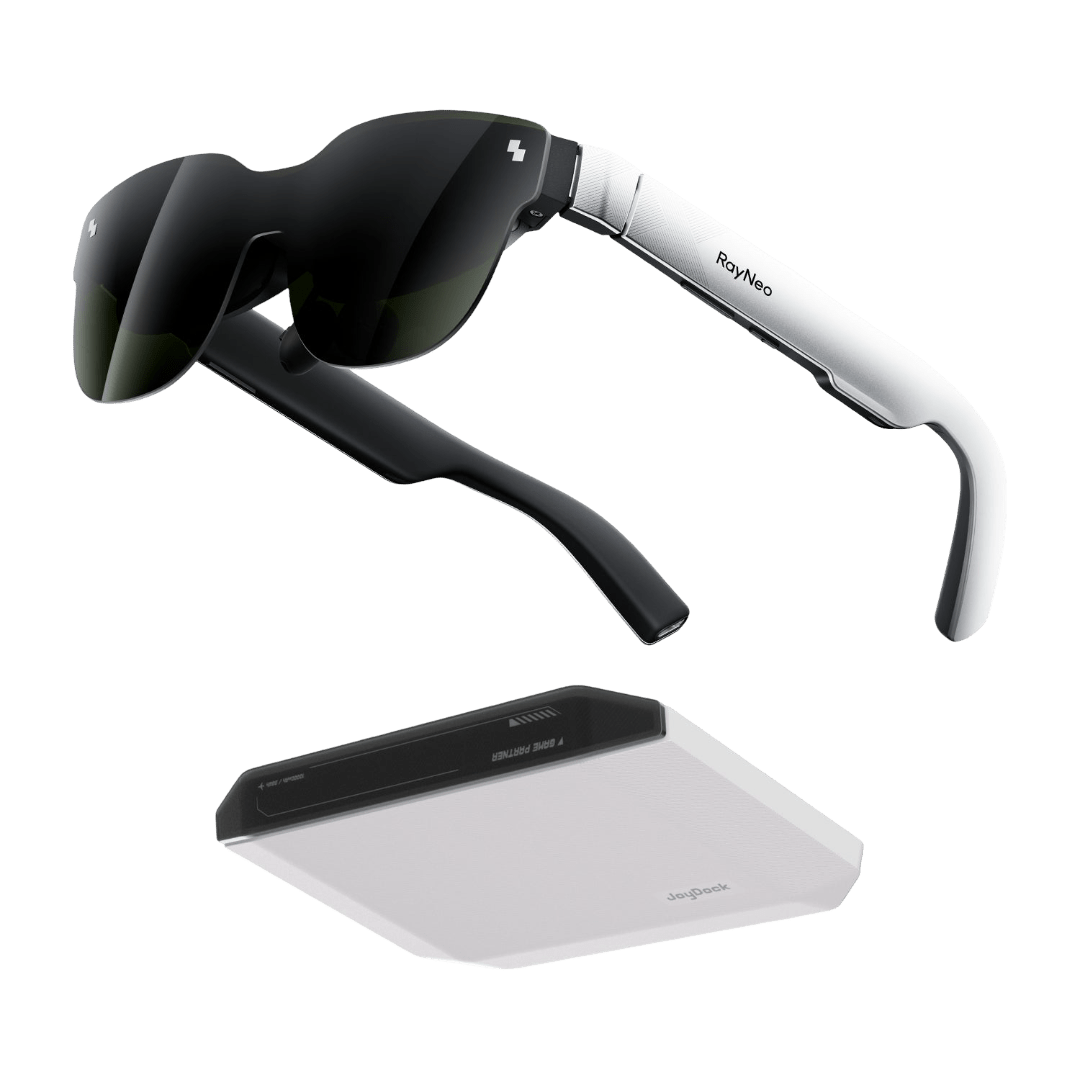
When examining AI capabilities in consumer smart glasses, RayNeo implementations demonstrate practical approaches to AI integration, focusing on features delivering genuine daily utility rather than experimental capabilities with limited real-world application.
RayNeo smart glasses, particularly the X3 Pro, implement visual translation supporting 14 languages. The translation system combines OCR identifying text in camera input with machine translation engines converting between language pairs. Users point glasses at foreign text—restaurant menus, street signs, documents—and see translations displayed, enabling comprehension without explicit translation app interaction.
The 14-language support covers major international languages encountered during travel and business, including English, Spanish, French, German, Italian, Portuguese, Russian, Arabic, Hindi, Japanese, Korean, and Chinese variants. This coverage addresses common translation needs for Western travelers, Asian business contexts, and major European languages, though obviously not exhausting all global language combinations.
The implementation enables three translation modes: visual text overlay translating written content, audio subtitle translation providing captions for spoken foreign language, and OCR photo translation processing captured images. This flexibility accommodates different translation scenarios—reading signs, understanding conversations, or reviewing documents—providing comprehensive linguistic assistance during international activities.
The translation capability leverages both onboard processing for basic operations and cloud connectivity for sophisticated translation models delivering quality results. The hybrid approach balances offline functionality for basic translation with enhanced quality when connectivity permits accessing advanced language models, adapting to available network conditions rather than failing completely without connectivity.
Smart glasses audio systems enable voice interaction for hands-free control. Users issue voice commands for content playback control, communication functions, or information queries without physical device interaction. The open-ear audio design maintains environmental awareness while providing audio feedback for command confirmation and results.
The voice interaction works through integration with smartphones and their native voice assistants or through onboard processing for basic commands. This approach leverages mature voice recognition systems users already know rather than requiring learning new voice interfaces specific to smart glasses, reducing adoption friction while ensuring familiarity and consistency with broader device ecosystems.
The microphone systems in smart glasses face acoustic challenges capturing clear speech amid environmental noise—traffic, wind, crowds—that interfere with voice recognition. Quality implementations use microphone arrays with beamforming focusing on the wearer's voice direction while filtering background noise, improving recognition accuracy in challenging acoustic environments where simple single-microphone designs struggle.
AI capabilities requiring cloud processing depend on robust connectivity through WiFi 6 or tethered smartphone connections. The connectivity architecture enables accessing sophisticated AI services without requiring all processing occur on wearable hardware with limited compute capacity. This approach allows leveraging state-of-the-art AI models as they improve without requiring hardware updates, future-proofing capability as AI technology advances.
The integration with smartphone ecosystems enables AI features leveraging phone capabilities—calendar access for contextual assistance, contact information for communication, or location data for context-aware features. This integration proves more practical than attempting to replicate full smartphone functionality in smart glasses, acknowledging that phones remain primary computing devices while glasses provide enhanced display and audio interfaces.
RayNeo X3 Pro AI Feature Profile:
| AI Capability | Implementation |
|---|---|
| Visual Translation | 14 languages, text + audio + photo modes |
| Language Coverage | Major international languages |
| Translation Processing | Hybrid on-device + cloud |
| Voice Interaction | Smartphone assistant integration |
| Connectivity | WiFi 6 for cloud AI services |
| Audio System | Open-ear for voice commands + awareness |
| Use Cases | International travel, multilingual work |
RayNeo, initially incubated within TCL, develops AR glasses designed for everyday integration. With full in-house R&D and manufacturing capabilities for optical systems, the company leverages 25+ years of optical expertise from its TCL heritage. Products are available in over 70 countries. Visit www.rayneo.com for more information.
Q: What does "AI-powered" actually mean in smart glasses?
"AI-powered" varies widely—some features use genuine machine learning (visual translation combining OCR, language detection, and neural translation models), while others just rebrand conventional algorithms with trendy AI labels. True AI requires significant processing power, consumes more battery, and often needs cloud connectivity for sophisticated tasks like translation or scene understanding. Features without genuine machine learning might work offline and use minimal power but lack adaptability. When evaluating AI smart glasses, distinguish marketing claims from functional reality—ask which specific AI capabilities you'll actually use regularly versus impressive demonstrations with limited daily utility.
Q: Which AI features in smart glasses are actually useful for daily life?
Most valuable: Visual translation (14 languages in RayNeo X3 Pro)—point at foreign text on menus, signs, documents and see instant translations. This proves genuinely useful during international travel or multilingual work. Voice commands: hands-free control for play/pause, calls, volume—reliable for simple commands in varied environments. Contextual assistance: calendar-based reminders, traffic-aware departure suggestions—benefits users with structured digital lives. Less practical: Comprehensive scene understanding or facial recognition remain technically impressive but see limited regular use while raising privacy concerns. Most users find these interesting initially but don't integrate them into daily routines.
Q: Do AI features in smart glasses work offline or need internet?
Most AI features use hybrid processing—lightweight on-device models handle immediate tasks (language detection, basic filtering), while cloud services via WiFi perform computation-intensive translation or advanced recognition. This means core AI features like translation need internet connectivity for full functionality, problematic during international travel where connectivity is expensive or unavailable. Some basic operations work offline but with reduced capability. Battery life also suffers—continuous AI operation reduces typical 4-6 hour usage to 2-3 hours. Evaluate whether your usage scenarios provide adequate connectivity and whether occasional AI use (minimal battery impact) versus continuous operation (significant drain) matches your needs.
AI in smart glasses encompasses various capabilities from visual translation and voice interaction to contextual assistance and scene understanding. Evaluating AI smart glasses requires distinguishing genuine AI features from marketing labels, understanding on-device versus cloud processing trade-offs, and honestly assessing which capabilities provide personal utility rather than impressive demonstrations.
Practical AI features delivering daily value include translation for international contexts, voice commands for hands-free control, and potentially contextual assistance for digitally-integrated lifestyles. Translation stands out as the most universally useful AI application, providing tangible value during international travel or multilingual work environments. The combination of OCR, language detection, and translation demonstrates genuine AI utility that would be impossible through conventional programming approaches.
More experimental capabilities like comprehensive scene understanding or facial recognition remain technically impressive but see limited regular use for most consumers while raising privacy concerns. The gap between demonstration capabilities and daily utility remains significant for these advanced features, with most users finding them interesting during initial trials but not integrating them into regular usage patterns.
When evaluating AI smart glasses, prioritize features aligning with your actual usage patterns, understand connectivity requirements for cloud-dependent capabilities, set realistic battery expectations for AI processing demands, and consider privacy implications of features requiring camera input or data transmission. AI enhances smart glasses most effectively when focused on specific, high-value applications rather than attempting to demonstrate every possible AI capability without regard to practical utility or resource constraints.
The future of AI in smart glasses likely involves continued refinement of core features—translation quality improvements, voice recognition accuracy, contextual understanding sophistication—rather than radically new capabilities. As AI models improve and on-device processing power increases, features currently requiring cloud connectivity may operate offline, and battery consumption may decrease, making AI features more accessible for all-day use. However, the fundamental value propositions—translation, voice control, contextual assistance—will likely remain the primary practical applications for most users.





Share:
Are AR Glasses Worth It in 2026? A Practical Cost-Benefit Analysis
AR Glasses for Beginners: Your First Steps into Augmented Reality